The Sanibel Shelling Guide
Everything you need to know about shelling on one of the world's best shelling destinations.
Last verified: March 2026
The Sanibel Stoop
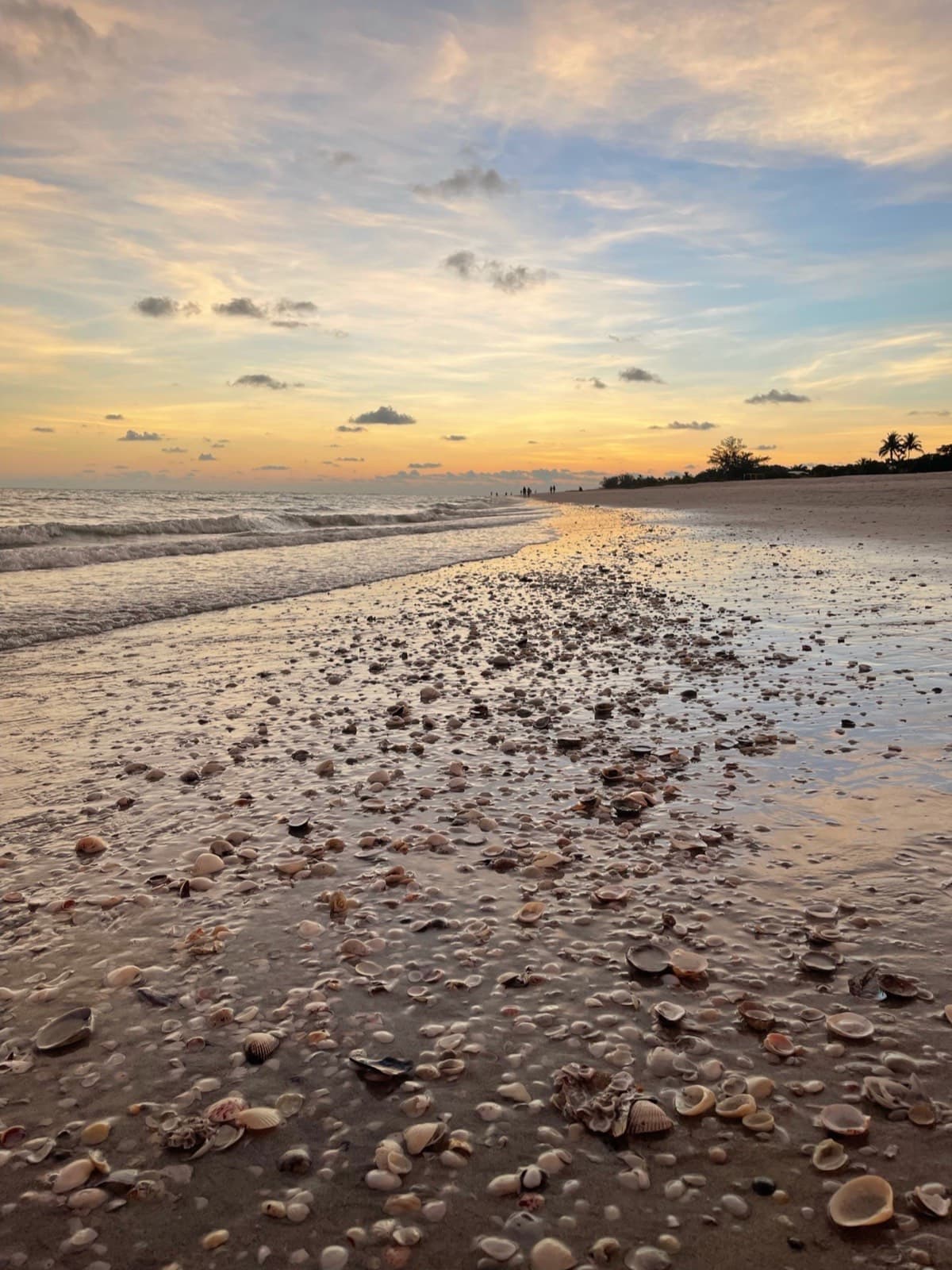
Walk along any beach on Sanibel Island and you will notice something unique — nearly everyone is bent over at the waist, eyes locked on the sand, slowly shuffling along the waterline. This signature pose is known as the “Sanibel Stoop,” and it is the telltale sign of a dedicated shell hunter. Sanibel's unique east-west orientation acts like a giant scoop, catching shells from the Gulf of Mexico and depositing them on its beaches in extraordinary quantities.
Local Tip
The best shelling happens when a low tide coincides with early morning. Check tide charts the night before and set your alarm — the early bird gets the junonia.
🐚 Today's Best Beach
Which beach should you hit today? Live recommendations based on today's tides and wind.
Checking today's conditions...
Best Times to Shell
Low Tide
Always shell at low tide. Check tide charts and arrive about an hour before the lowest point for the best selection.
Early Morning
Shells deposited overnight have not been picked over. Early birds get the best finds.
After Storms
Cold fronts and storms churn up shells from deeper water. The day after a storm is prime shelling time.
Shells You Can Find
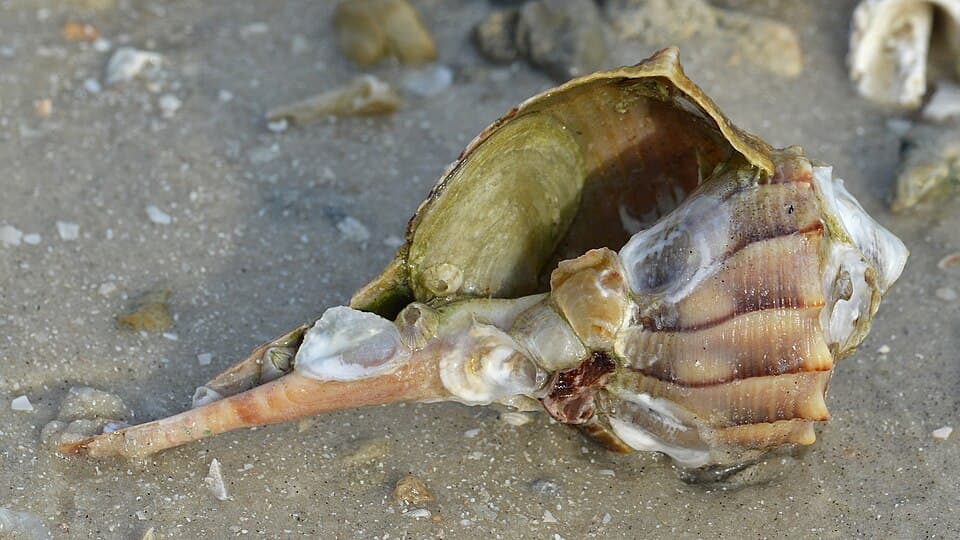
Lightning Whelk
CommonThe state shell of Texas, but abundant on Sanibel. Lightning whelks are left-handed — their opening is on the left when the shell points up. Look for the distinctive brown lightning-bolt streaks.
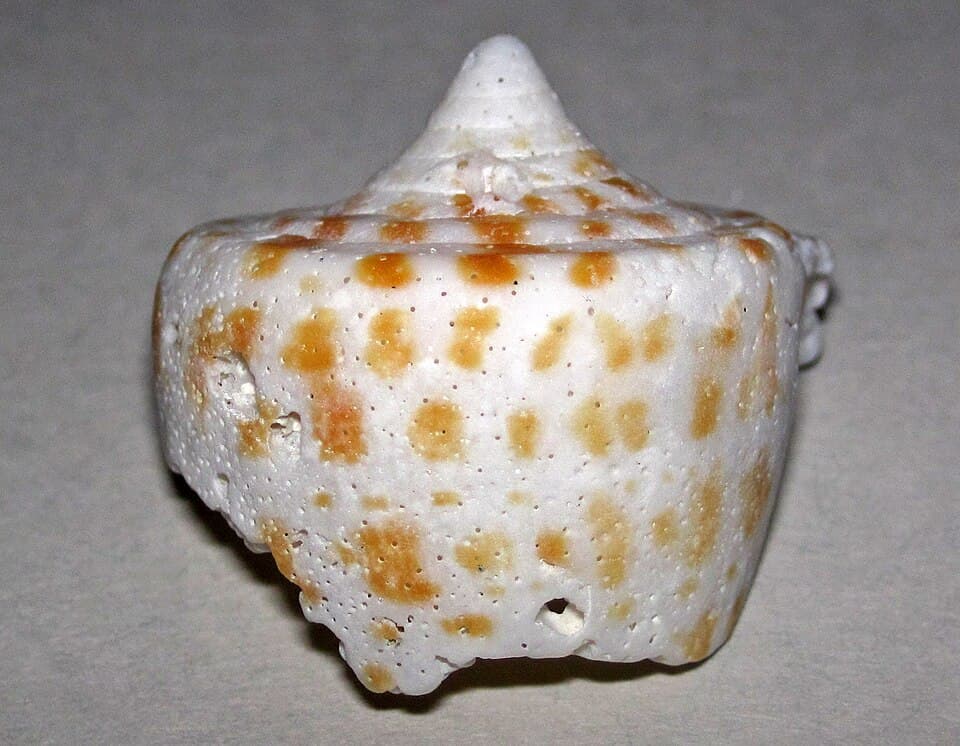
Alphabet Cone
CommonNamed for the letter-like markings on its surface. These smooth, conical shells are popular with collectors and relatively easy to find on Sanibel's beaches.
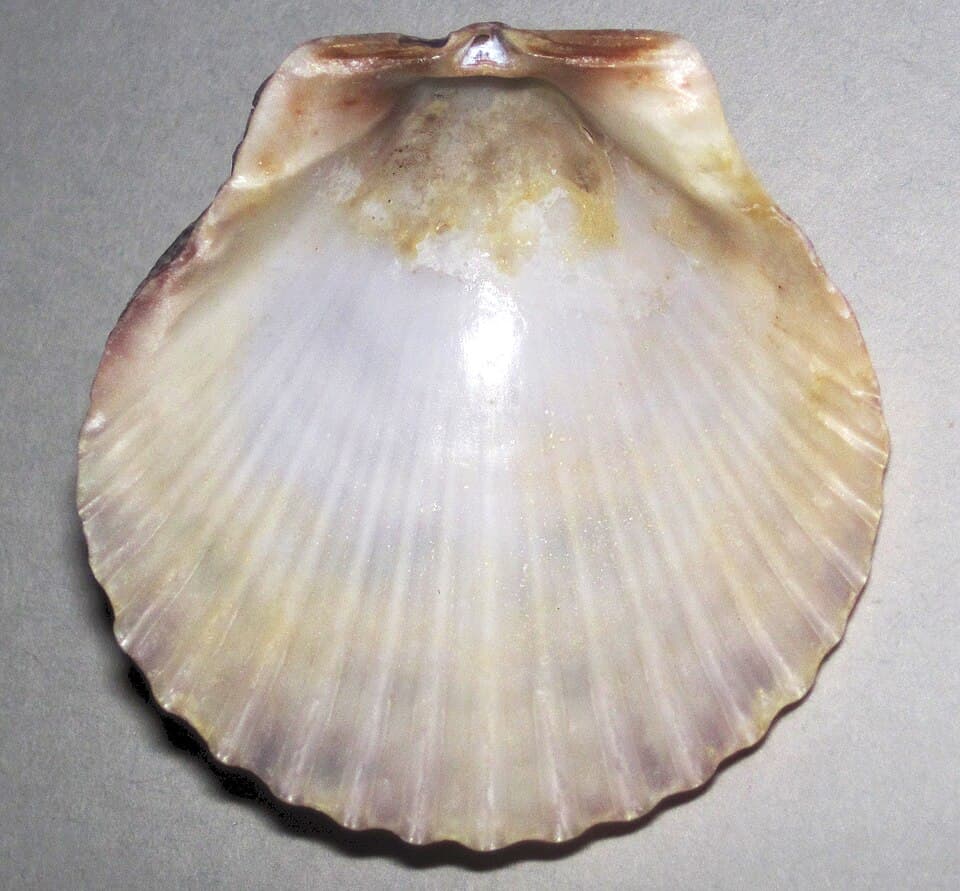
Calico Scallop
CommonBeautifully colored fan-shaped shells in shades of red, orange, pink, and purple. Each one is unique in its color pattern. One of the most photogenic shells on the beach.
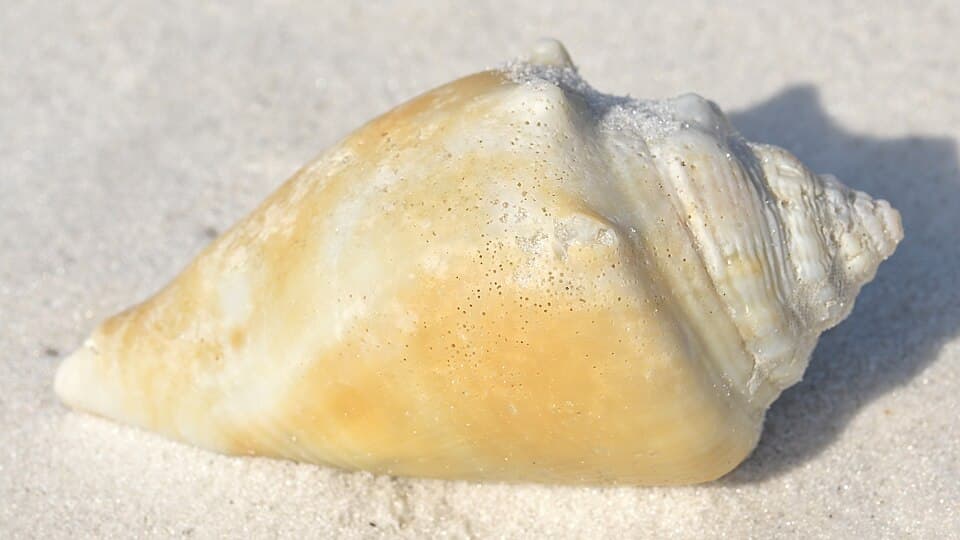
Fighting Conch
CommonDespite the fierce name, these are peaceful herbivores. The Florida fighting conch has a thick, heavy shell with a flared lip. Living ones should be left in the water.
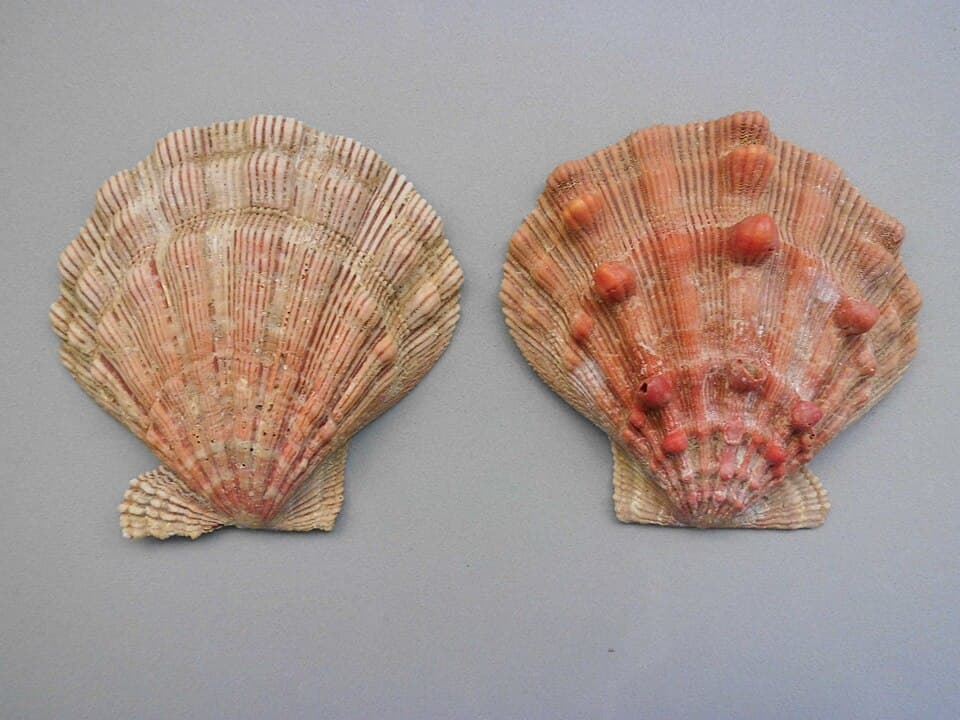
Lion's Paw
UncommonA large, deeply ridged scallop shell with knobby ribs resembling a lion's paw. Finding a complete, well-preserved lion's paw is a prize-worthy moment for any sheller.
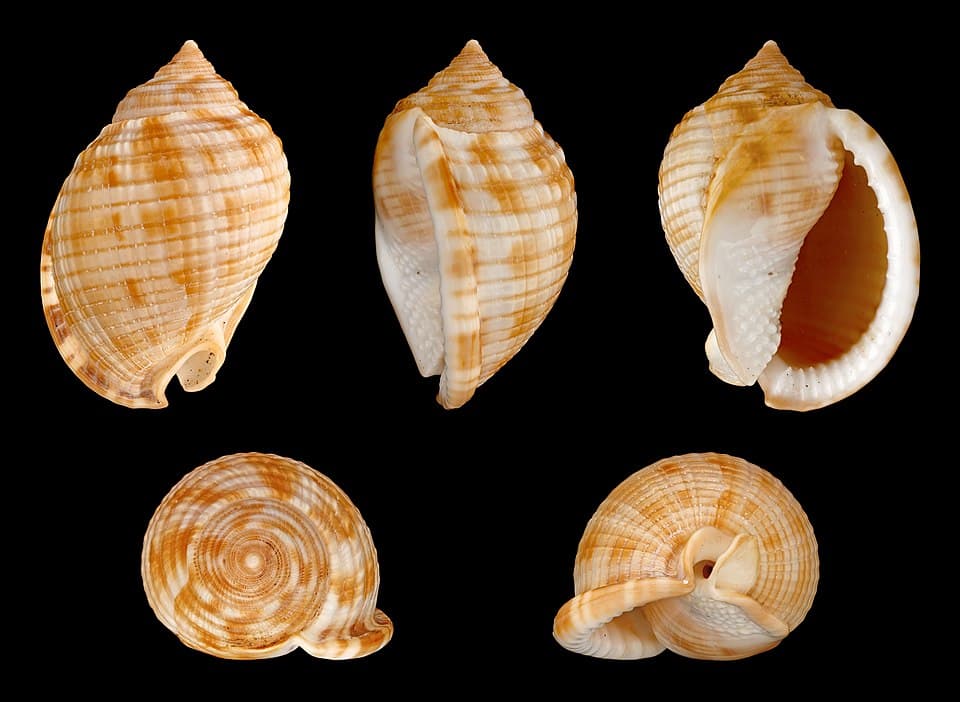
Scotch Bonnet
UncommonA round, attractive shell with a checkered pattern. The state shell of North Carolina, it is less common on Sanibel but always a nice find when one turns up.
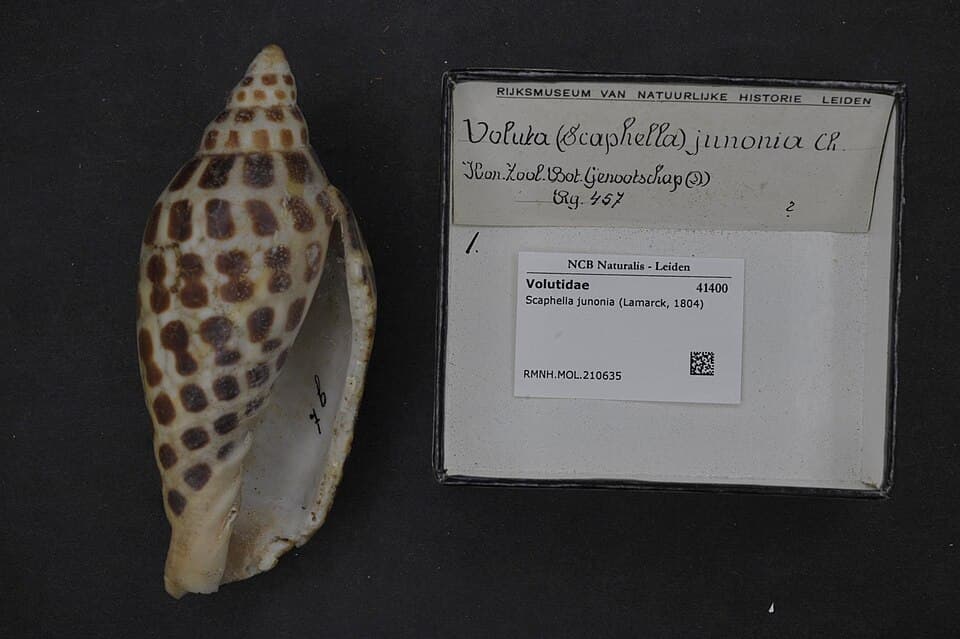
Junonia
Very RareThe holy grail of Sanibel shelling. This cream-colored shell with brown spots is so prized that finding one often makes the local newspaper. Most shellers visit for years before finding one.
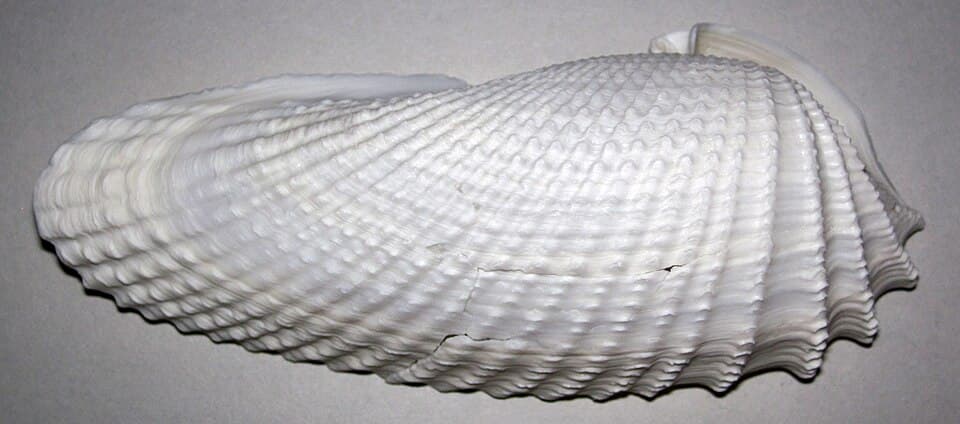
Angel Wing
RareDelicate, elongated white shells with radiating ribs that look like angel wings. They are fragile and break easily, making a complete pair especially valuable to collectors.
Shelling Tips
Shelling Laws & Regulations
Please respect Sanibel's marine life. These rules are enforced and carry real penalties.
- Live shelling is prohibited on Sanibel Island. Only collect empty shells with no living animal inside.
- Taking live shells is a second-degree misdemeanor — fines up to $500 and up to 60 days in jail.
- If you are unsure whether a shell is alive, place it in shallow water. If it moves, it is alive — leave it.
- Sand dollars found on the beach that are dark-colored and fuzzy are still alive. Only collect white, dry ones.
- Sea urchins, starfish, and sea horses are also protected. Do not remove living creatures from the water.
FAQ
Sanibel shelling FAQs
When is the best time to find shells on Sanibel?
Low tide combined with early morning gives you the best selection. Check tide charts before you go and aim to arrive 1-2 hours before low tide.
Is it legal to take shells from Sanibel beaches?
You can take empty shells. It is illegal to take live shells — any shell with a living creature inside must be returned to the water.
What is the Sanibel Stoop?
It's the bent-over posture shellers adopt while searching the beach. It's so common on Sanibel that locals gave it a name.
Which beach on Sanibel is best for shelling?
Bowman's Beach and Blind Pass are consistently the best for shell variety. The west-facing orientation catches shells carried by Gulf currents.