August and early September can be hot, humid, stormy, quiet, beautiful, and very worth visiting if you plan the day honestly. The mistake is trying to treat a late-summer island day like a peak-season winter day. The smarter move is simple: do your outdoor exploring early, move indoors through the hottest part of the day, and come back outside later only if the weather and your energy level cooperate.
This is not a "the heat is no big deal" guide. It is a practical way to enjoy Sanibel while respecting the season.
If you are still deciding whether late summer is right for your trip, start with our best time to visit Sanibel Island guide. If your dates are already set, here is how to make the day work.
Start Outside Early
The best late-summer Sanibel activities are often the same ones visitors love year-round: beaches, wildlife, biking, shelling, and slow island wandering. The difference is timing.
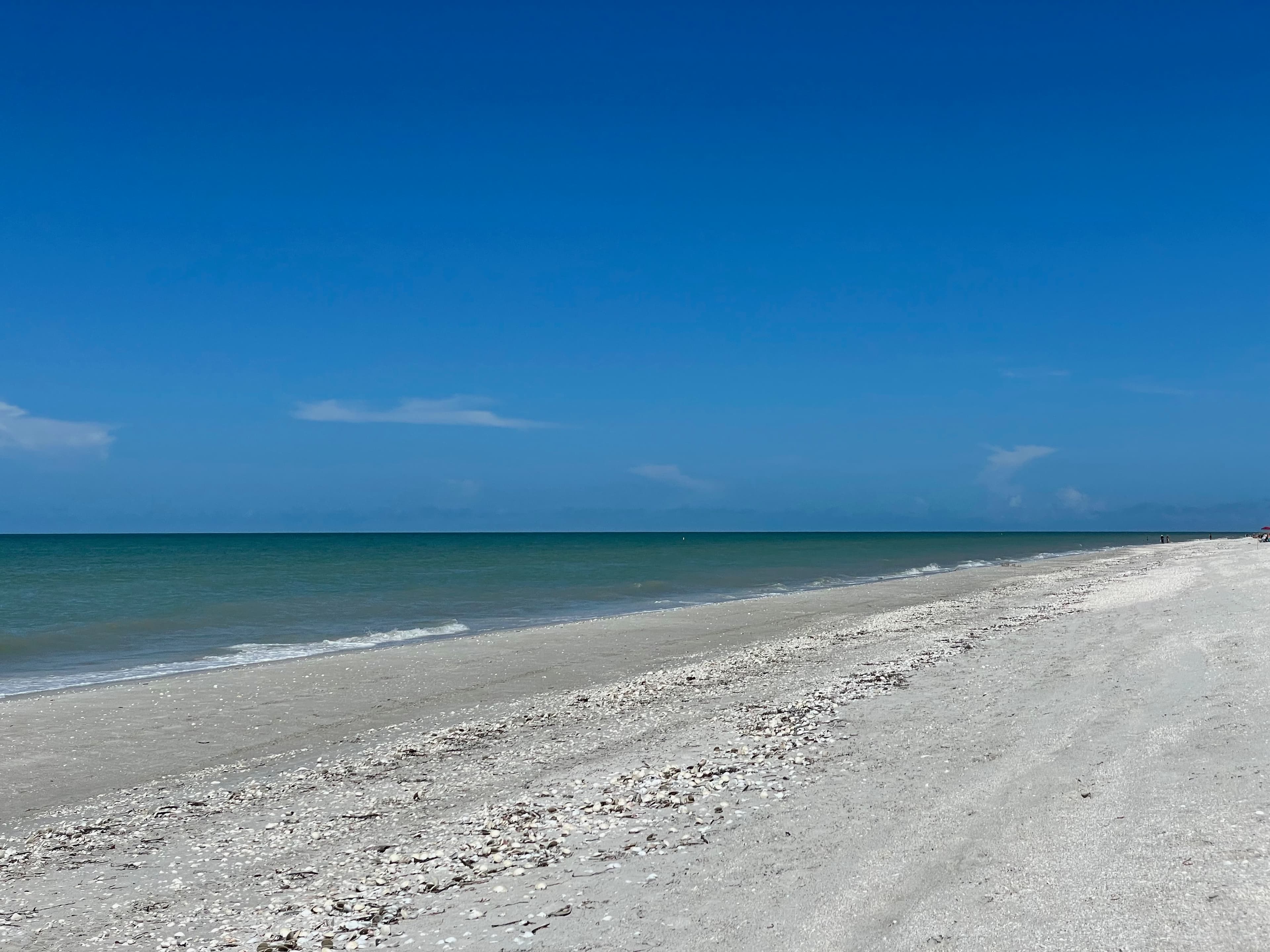
Plan your beach walk, shelling session, wildlife drive, or bike ride for the earliest part of the morning. That does not make the heat harmless, but it usually gives you the coolest, most manageable window of the day. Keep it short, bring more water than you think you need, and stop early if anyone feels worn down.
For beach time, choose a spot from our Sanibel beach guide, then aim for a relaxed morning instead of a full-day setup in direct sun. For broader planning, our things to do on Sanibel guide can help you sort outdoor ideas from indoor backup plans.
If you are visiting with kids, this is especially important. A family beach morning can still be great, but late summer is not the time to push through "one more hour" in the sun. Pair the morning with an air-conditioned midday plan from our Sanibel family guide.
Ding Darling Works Best With a Heat Plan
J.N. "Ding" Darling National Wildlife Refuge is one of Sanibel's best stops in any season, but late summer calls for a careful approach.
The refuge lists the Visitor & Education Center as free and generally open 9 a.m. to 4 p.m., closed Fridays and federal holidays. Wildlife Drive is listed at $10 per vehicle, closed Fridays, with August hours shown as 7 a.m. to 7:30 p.m. on the refuge's official visit page. Check the refuge site before you go, especially around holidays or weather changes.
For late summer, the most comfortable version is usually:
- Enter Wildlife Drive early.
- Keep stops short and shaded when possible.
- Bring water into the car.
- Save the Visitor & Education Center for the late morning or midday.
Wildlife viewing can still be rewarding, but do not measure the day by how long you can stay outside. Measure it by how well you paced yourself. For more detail, read our full Ding Darling guide.
Build Your Midday Around Indoor Stops
Late summer is when Sanibel indoor activities go from "nice backup" to "centerpiece of the day."
Bailey-Matthews National Shell Museum
The Bailey-Matthews National Shell Museum & Aquarium is an easy late-summer anchor because it is indoors, educational, and very Sanibel. The museum lists its address as 3075 Sanibel Captiva Road and states that it is open 10 a.m. to 5 p.m. daily, with Sundays closed beginning August 16 and Sunday hours resuming November 1, according to its plan your visit page.
That makes it a strong midday choice after an early beach walk. You get the shelling connection without spending the hottest hours on the sand.
Sanibel Public Library
The Sanibel Public Library is one of the island's most underrated summer stops: quiet, cool, local, and practical.
The library lists hours as Monday 9 a.m. to 8 p.m.; Tuesday, Wednesday, and Friday 9 a.m. to 5 p.m.; Thursday 9 a.m. to 8 p.m.; Saturday 9 a.m. to 1 p.m.; and Sunday closed on Sanibel Public Library's website. Check the site for current details before building your day around it.
For visitors, the library can be a simple midday breather before the late-day plan.
CROW Visitor Education Center
CROW connects visitors with the island's wildlife rescue work. The CROW Visitor Education Center lists hours Monday through Friday from 10 a.m. to 4 p.m., with daily presentations Monday through Friday at 11 a.m. Its Wildlife Hospital admissions are listed as seven days a week from 8 a.m. to 5 p.m. on CROW's visit page.
For a late-summer day, the 11 a.m. presentation can fit nicely after an early outdoor activity. It gives the day structure without asking everyone to stay outside through midday.
The Community House
The Community House calendar is also worth checking before your trip. Late-summer programming can include indoor and community activities such as Shellcrafters, Mahjong, Sanibel Hearts, and art classes, according to the Sanibel Community House events calendar.
Because calendars change, treat this as a planning resource rather than a fixed promise.
Sample Late-Summer Sanibel Day
Here is a realistic August or early September itinerary.
Morning: Beach, Shells, or Wildlife
Start early with a short beach walk, shelling session, or Wildlife Drive visit. Keep the plan simple and close to your next stop. If the Gulf, tides, or weather are not cooperating, switch to a low-effort walk or scenic drive.
Use our beach guide if your morning revolves around sand and shells, or our things to do guide if you want alternatives.
Midday: Museum, Library, CROW, or Lunch
Move indoors before the day gets away from you. Good options include the Shell Museum, CROW's Visitor Education Center, Sanibel Public Library, or a relaxed lunch. Use our Sanibel dining guide as a starting point, then verify current hours directly.
This is also the time to refill water bottles and decide whether the late-day plan still makes sense.
Late Day: Easy Outside Time
If storms stay away and everyone feels good, consider a gentle late-day return outdoors: a short beach visit, sunset photos, a slow bike ride, or a low-key stroll near your lodging. Keep it optional.
If the weather turns, do not force it. Sanibel will still be there in the morning.
Quick Heat-Safety Checklist
The National Weather Service's heat guidance is direct: during extreme heat, slow down, reduce or eliminate strenuous activity, or reschedule it for the coolest part of the day. NWS also recommends lightweight, loose-fitting, light-colored clothing; minimizing direct sun; and drinking plenty of water or other non-alcoholic, decaffeinated fluids even if you do not feel thirsty. Read the full guidance at weather.gov/safety/heat-during.
Before you head out, run through this checklist:
- Move strenuous activities to early morning when possible.
- Wear lightweight, loose, light-colored clothing.
- Bring water for every person, even for short outings.
- Limit direct sun and use shade breaks.
- Avoid alcohol as your primary beach or biking fluid.
- Keep indoor backup plans ready.
- Stop early if anyone feels off.
Know the warning signs, too. The National Weather Service lists heat exhaustion symptoms that can include heavy sweating, weakness or tiredness, cool pale clammy skin, a fast weak pulse, cramps, dizziness, nausea or vomiting, headache, and fainting. Heat stroke is a severe medical emergency. NWS says to call 911 or get the person to a hospital immediately. Review the symptoms at weather.gov/safety/heat-illness before your trip.
The Bottom Line
Late-summer Sanibel is not about conquering the heat. It is about working with the day you are given. Go outside early. Make midday about museums, the library, CROW, community programming, or a slow lunch. Come back out later only if the weather and your body say yes.
Sanibel in late summer asks for respect. Give it that, and you can still have a great day.