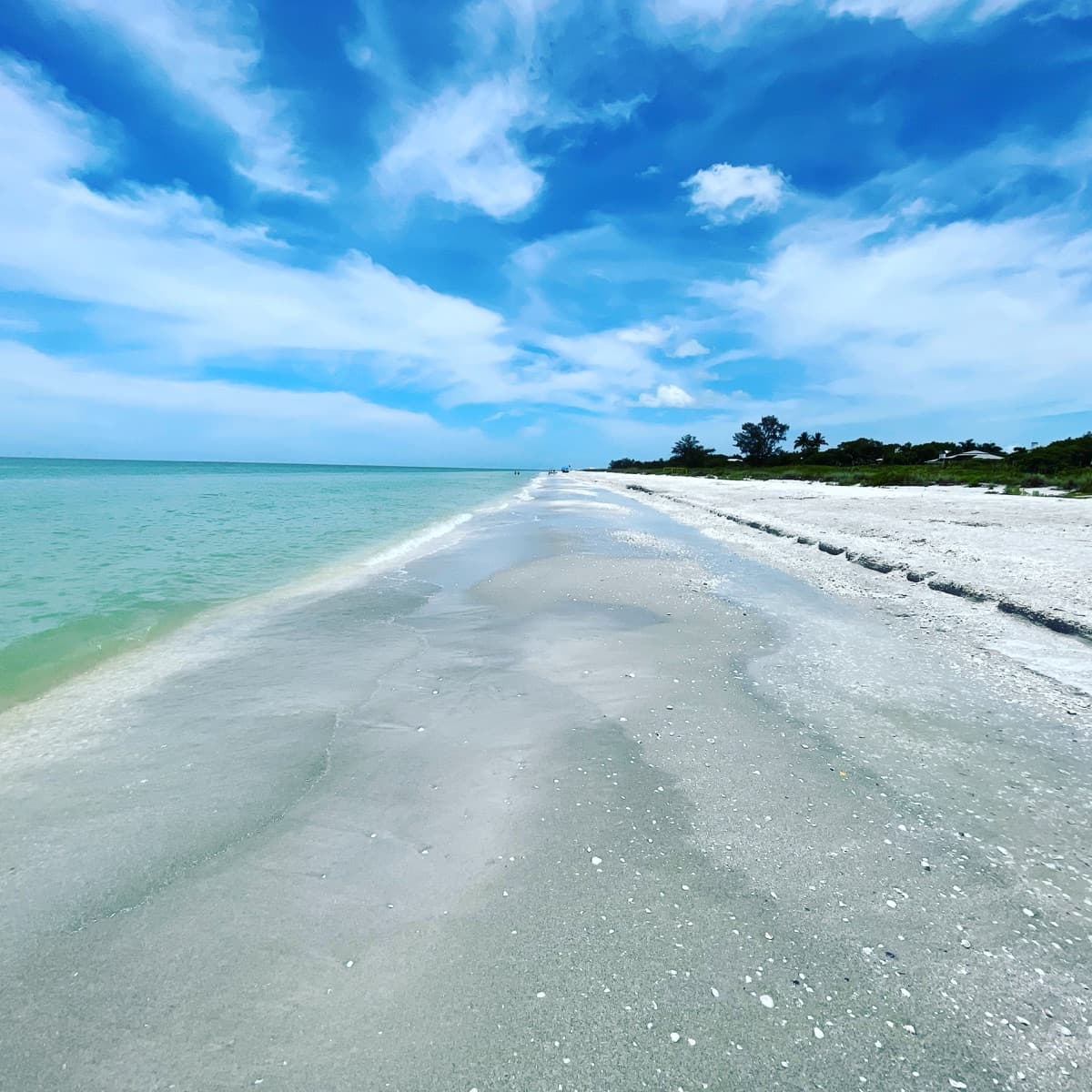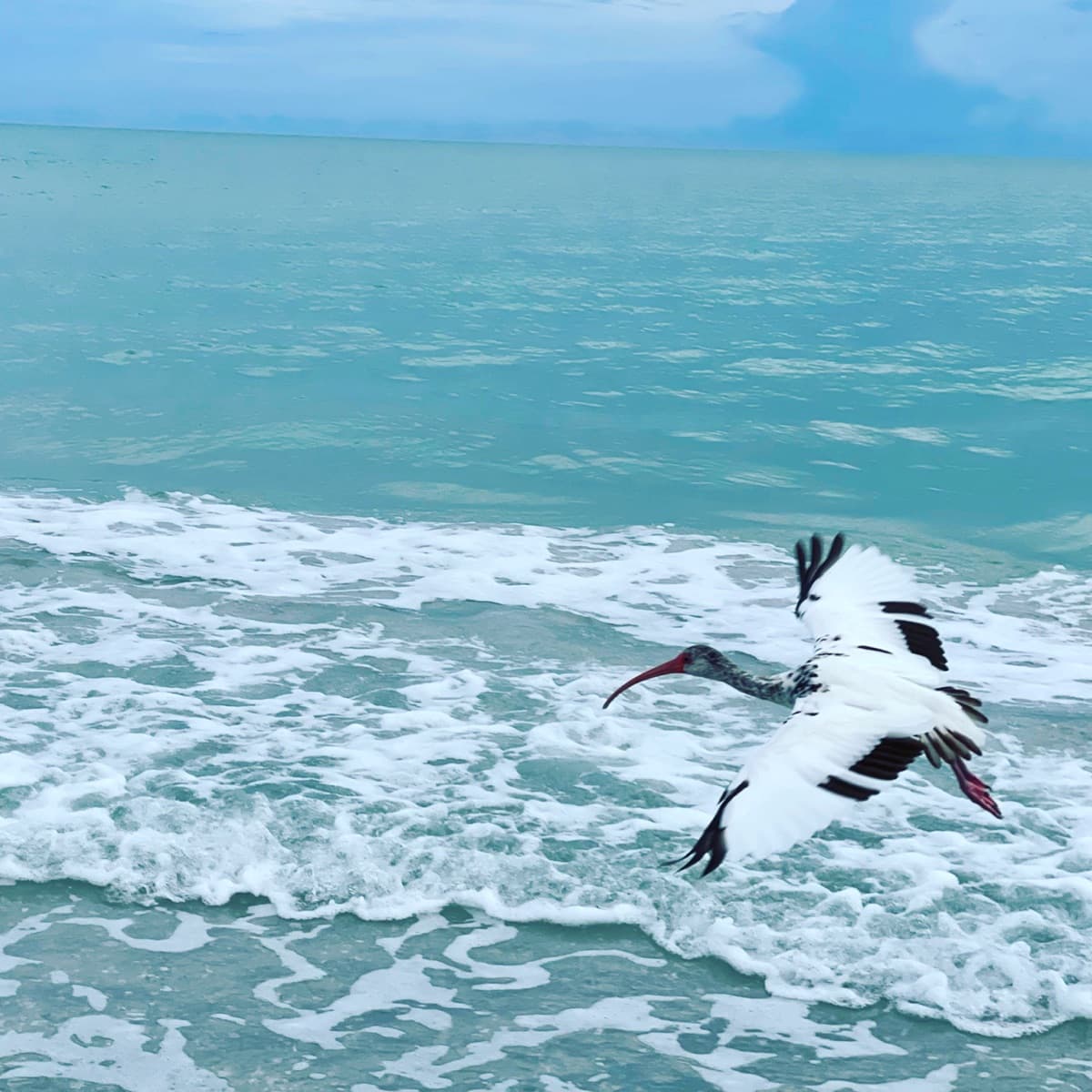
The J.N. "Ding" Darling National Wildlife Refuge is one of Sanibel's crown jewels — and arguably the single best thing to do on the island. If you're planning a broader nature-focused trip, our Sanibel wildlife guide and wildlife activities page make a great companion. Spanning over 6,500 acres of mangrove estuary, it is one of the largest urban wildlife refuges in the country and a haven for over 245 species of birds.
It is named after Jay Norwood "Ding" Darling, a Pulitzer Prize-winning political cartoonist and passionate conservationist who wintered on Captiva Island in the 1930s and fought to protect these lands.
Wildlife Drive
The four-mile Wildlife Drive is the main attraction and the reason most people visit. The one-way paved road winds through mangrove habitat with pull-offs and observation points along the way.
How to Do It
- Drive it: Most visitors drive at a slow crawl (15 mph max), stopping at pull-offs with binoculars. Takes 1-2 hours depending on wildlife activity.
- Bike it: This is the best way to experience Wildlife Drive. You are quieter, slower, and closer to the action. Bikes are allowed even on Fridays when the road is closed to cars — exactly why our Sanibel biking guide recommends this ride so highly.
- Walk it: Some visitors walk portions of the drive, especially the Indigo Trail loop. Just bring water — there is no shade for long stretches.
What You Will See
- Roseate Spoonbills — the pink birds everyone falls in love with. Most common from December through April.
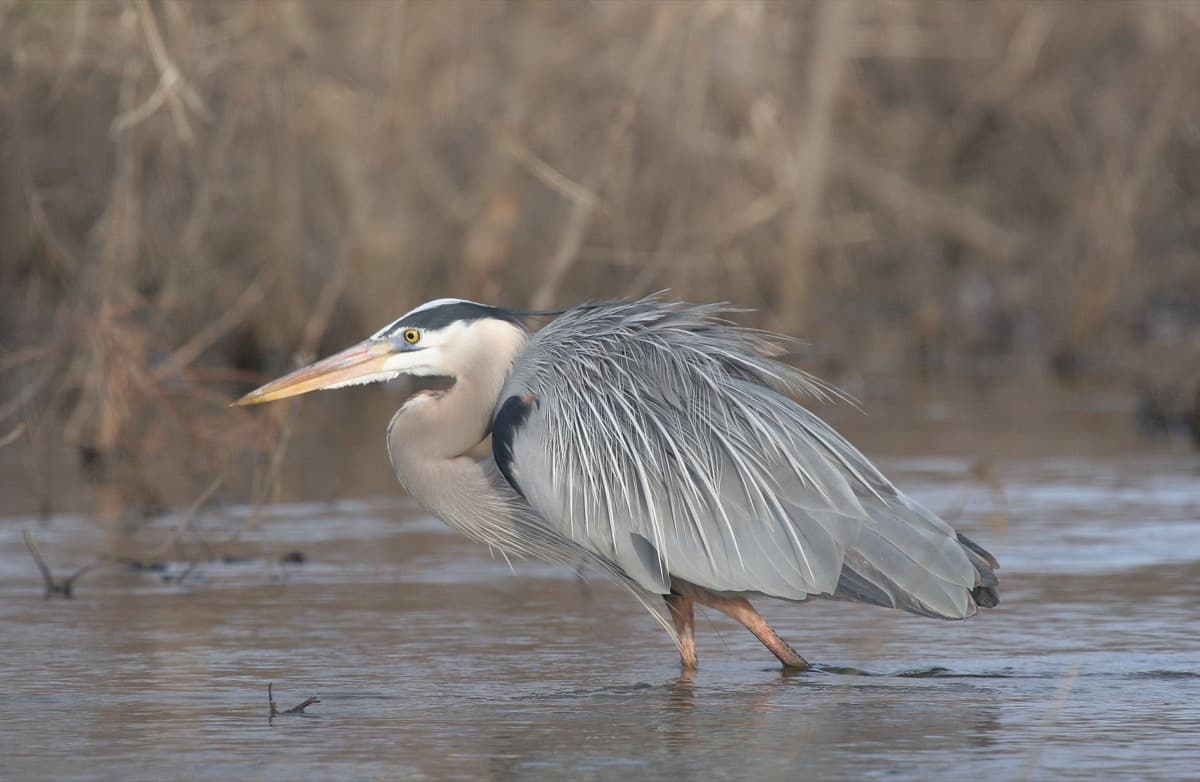
- Great Blue Herons — tall, patient, and everywhere
- Ospreys — nesting on platforms throughout the refuge
- White Pelicans — massive flocks during winter months
- Anhingas — drying their wings on branches (they look prehistoric)
- Alligators — yes, they are here. Usually spotted in freshwater pools near the road.
- Manatees — occasionally spotted in the shallow waterways
- Mangrove Crabs, Mullet, Stingrays — visible from the boardwalks
Best Time on Wildlife Drive
Low tide is key. When the water is low, wading birds congregate in the shallow pools to feed — you will see dozens of species within feet of the road. Check the tide charts before you go. Early morning (just after sunrise) and late afternoon (2-3 hours before sunset) offer the best light and most active wildlife.
The Visitor & Education Center
Start here. The center has exhibits on the refuge's ecology, a bookstore, and rangers who can tell you what has been spotted recently. There is also a small theater with a short film about the refuge. Free with your Wildlife Drive admission.
Kayaking & Paddling
Kayaking through the mangrove tunnels of Ding Darling is an unforgettable experience — and a completely different perspective than the drive.
- Tarpon Bay Explorers offers guided kayak tours and rentals right inside the refuge
- Guided tours take you through the Commodore Creek canoe trail, a winding path through red mangroves
- Paddle quietly and you may see manatees, dolphins, sea turtles, and dozens of bird species
- Morning paddles are best — calmer water, cooler temperatures, more active wildlife
The Trails
Beyond Wildlife Drive, the refuge has several walking trails:
- Indigo Trail — 2-mile loop through coastal habitat. Flat and easy. Good for shorebirds.
- Shell Mound Trail — short trail (0.3 miles) through a Calusa Indian shell mound. Shaded and interesting historically.
- Bailey Tract — technically separate from the main refuge, this freshwater marsh off Tarpon Bay Road is excellent for birding and alligator spotting. Free access, no admission required.
Practical Information
- Hours: Sunrise to sunset, daily. Wildlife Drive is open Saturday through Thursday.
- Closed: Wildlife Drive is closed on Fridays for maintenance and pedestrian/bike use only.
- Admission: $5 per vehicle, $1 for pedestrians and cyclists. Free with an America the Beautiful pass.
- Location: 1 Wildlife Drive, off Sanibel-Captiva Road
- Time needed: 2-3 hours minimum. Half a day if you kayak.
- Facilities: Restrooms at the Visitor Center and at the Tarpon Bay recreation area.
Tips From a Local
- Go at low tide. This is the single most important tip. Low tide concentrates wildlife into visible pools. High tide means the birds spread out and are harder to spot.
- Bring binoculars. Essential. Even a basic pair transforms the experience.
- Go early or late. Midday is hot, bright, and the wildlife is less active. Sunrise and the last two hours before sunset are magic.
- Apply bug spray — especially in summer. The no-see-ums near the mangroves can be brutal.
- Drive slowly. The 15 mph speed limit exists for a reason. The best sightings happen when you are patient.
- Bike it on a Friday. No cars on the road. Just you, the birds, and the breeze.
- Download the Merlin Bird ID app before your visit — it identifies birds by sound and photo, and it is free.
- Do not feed the wildlife. It is a federal wildlife refuge. Respect it.
Ding Darling is the reason many people fall in love with Sanibel. It is free of development, full of life, and unlike anything else in Florida. Do not skip it.