Updated August 9, 2026: We refreshed internal planning links and kept the seasonal guidance conservative. Weather, rental rates, and event dates can change quickly, so use this as a planning framework and check current conditions before finalizing your trip.
Everyone asks the same question: When should I visit Sanibel?
The honest answer: it depends on what you want. Peak season means perfect weather but packed beaches and premium prices. Off-season means fewer crowds and better deals, but afternoon thunderstorms and serious humidity.
Here's the real breakdown — no fluff, no marketing spin.
The Quick Answer
Best overall: February – April Best for shelling: December – March (after cold fronts) Best for budget: May – September Best for wildlife: October – March (migratory birds), May – October (sea turtle nesting) Best weather: November – April
Peak Season (December – April)
This is when everyone comes, and for good reason.
Weather: Highs in the mid-70s to low 80s. Low humidity. Rain is rare. It's genuinely perfect beach weather — the kind of day where you don't even think about the forecast.
Crowds: Heavy, especially January through March. Beach parking lots fill up by 10 AM on weekends. Restaurants have waits. The causeway backs up on Saturday mornings.
Prices: Hotels and vacation rentals are at their peak. A gulf-front condo that goes for $150/night in August will run $350+ in February. Book 3–6 months ahead or you'll be searching.
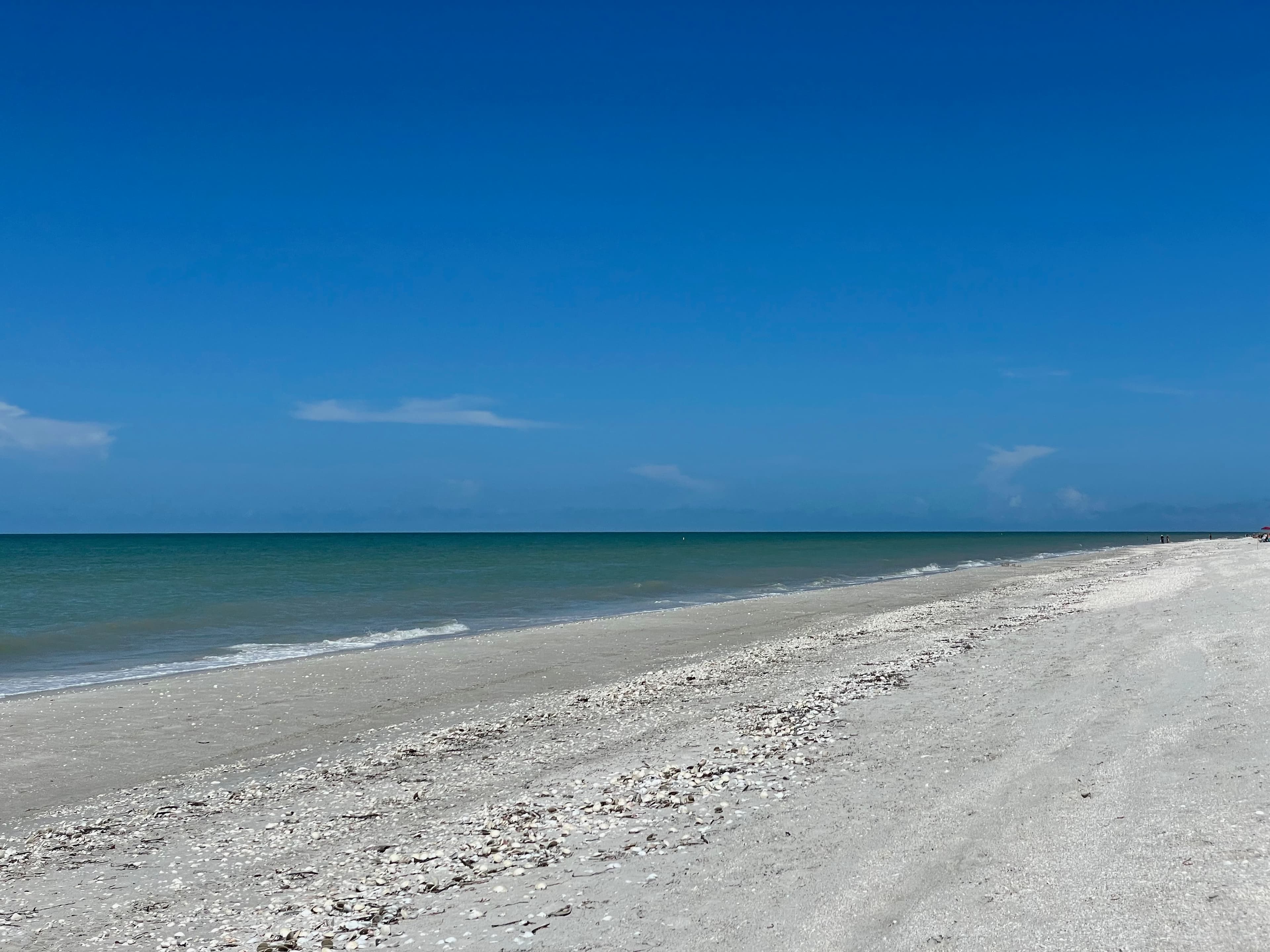
Shelling: This is prime time. Winter cold fronts push Gulf waters and churn up shells overnight. Show up at low tide the morning after a storm and you'll understand why people call it the Shelling Capital of the World.
Wildlife: Ding Darling Wildlife Refuge is spectacular from December through March. Roseate spoonbills, white pelicans, and hundreds of migratory bird species. The refuge's Wildlife Drive is open sunrise to sunset daily (closed Fridays).
December
Season kicks off. Holiday crowds arrive mid-month. Weather is gorgeous — highs around 75°F. Great shelling after early winter fronts. Hotels book fast for Christmas and New Year's.
January
Full swing. Snowbirds are settled in. Expect the beaches to be busy but not overwhelming on weekdays. This is arguably the best shelling month — cold fronts are frequent and tides cooperate, especially if you use our ultimate Sanibel shelling guide to time your beach mornings.
February
The sweet spot for many visitors. Weather is warm but not hot (highs 76–78°F). Shelling is still excellent. The Sanibel Shell Festival typically happens this month — worth planning around.
March
Spring break brings families. The island feels full but festive. Temperatures climb into the low 80s. Still great for shelling, birding, and biking. If you're planning your first trip, our first-time visitor guide pairs especially well with a March itinerary. Restaurant patios are perfect this time of year.
April
The tail end of peak season. Crowds thin after Easter. Weather is warm (low 80s) with occasional afternoon humidity. A smart time to visit — you get peak-season weather at slightly better prices.
Shoulder Season (May and November)
The best-kept secrets on the Sanibel calendar.
May
Crowds drop off dramatically. Prices start falling. Weather is hot (mid-80s) but manageable, especially in the morning. Afternoon showers begin but they're quick — 30 minutes and the sun is back. Sea turtle nesting season begins, which is incredible to witness; our sea turtle season guide explains the visitor rules that matter after dark.
November
The opposite shoulder. Hurricane season is winding down, winter visitors haven't arrived yet, and the weather is cooling into the upper 70s. Prices are reasonable. The island feels like it belongs to you.
Off-Season (June – October)
This is when Sanibel belongs to the locals — and the budget-savvy travelers who know the secret.
Weather: Hot and humid. Highs in the upper 80s to low 90s. Afternoon thunderstorms are almost daily from June through September — they roll in around 3 PM, last 30–60 minutes, and leave behind dramatic sunsets. Mornings are actually beautiful.
Crowds: Minimal. You'll have beaches to yourself on weekdays. Parking is never an issue. Restaurants seat you immediately.
Prices: This is when deals happen. Vacation rentals drop 40–60% from peak rates. Some restaurants run summer specials.
Hurricane season: June 1 – November 30, officially. The statistical peak is August through October. Most seasons, Sanibel sees zero direct hits. But it's real — Hurricane Ian in September 2022 proved that. Travel insurance is non-negotiable if you visit during these months.
The upside nobody talks about: Water temperature peaks in the mid-80s. Sea turtle nesting is in full swing (May–October). Fishing is phenomenal — tarpon season runs May through July. And those afternoon storms? They drop the temperature 10 degrees and make the evenings gorgeous.
June
Summer begins. Hot, humid, with daily afternoon showers. But mornings are spectacular — warm water, empty beaches, sea turtles nesting at night. Hotel prices drop significantly.
July
Peak summer heat (90°F+). July 4th brings a brief crowd spike. Otherwise, the island is quiet. Water is bathwater-warm. Tarpon fishing is at its peak.
August – September
The quietest months. Maximum heat, maximum humidity, maximum savings. This is when locals take their own vacations. Hurricane probability is highest — check the forecast and have a plan. If you are considering a late-summer trip, read our hurricane season planning guide before you book nonrefundable travel.
October
Things start to turn. Humidity eases up in the second half of the month. Migratory birds begin arriving at Ding Darling. It's a transitional month — still off-season pricing with improving weather.
Best Time for Specific Activities
Shelling
December – March. Cold fronts push shells onto the beaches overnight. Go at low tide, preferably the morning after a strong west wind. Blind Pass and Bowman's Beach are the top spots.
Birding
November – March. Migratory species fill Ding Darling Wildlife Refuge. Our Sanibel wildlife guide breaks down what you'll actually see and where. Roseate spoonbills, white pelicans, anhingas, and great blue herons are everywhere. Early morning on Wildlife Drive is unforgettable.
Fishing
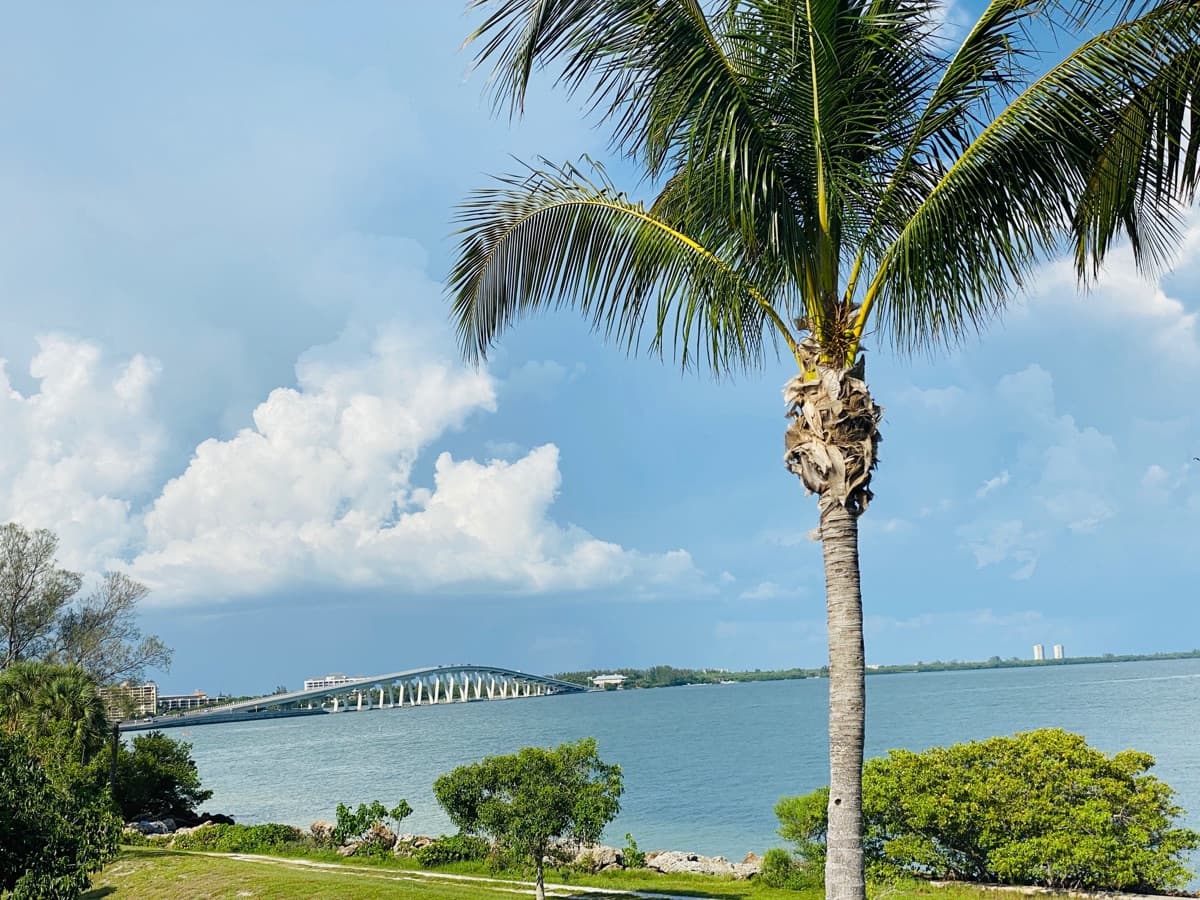
Year-round, but the peak is May – July for tarpon. Snook, redfish, and trout are excellent from October through April. The causeway islands are the most popular shore-fishing spot.
Biking
November – April. 25+ miles of shared-use paths criss-cross the island with zero hills. Summer works too, but go early — by 10 AM the heat and humidity make it tough.
Beach Days
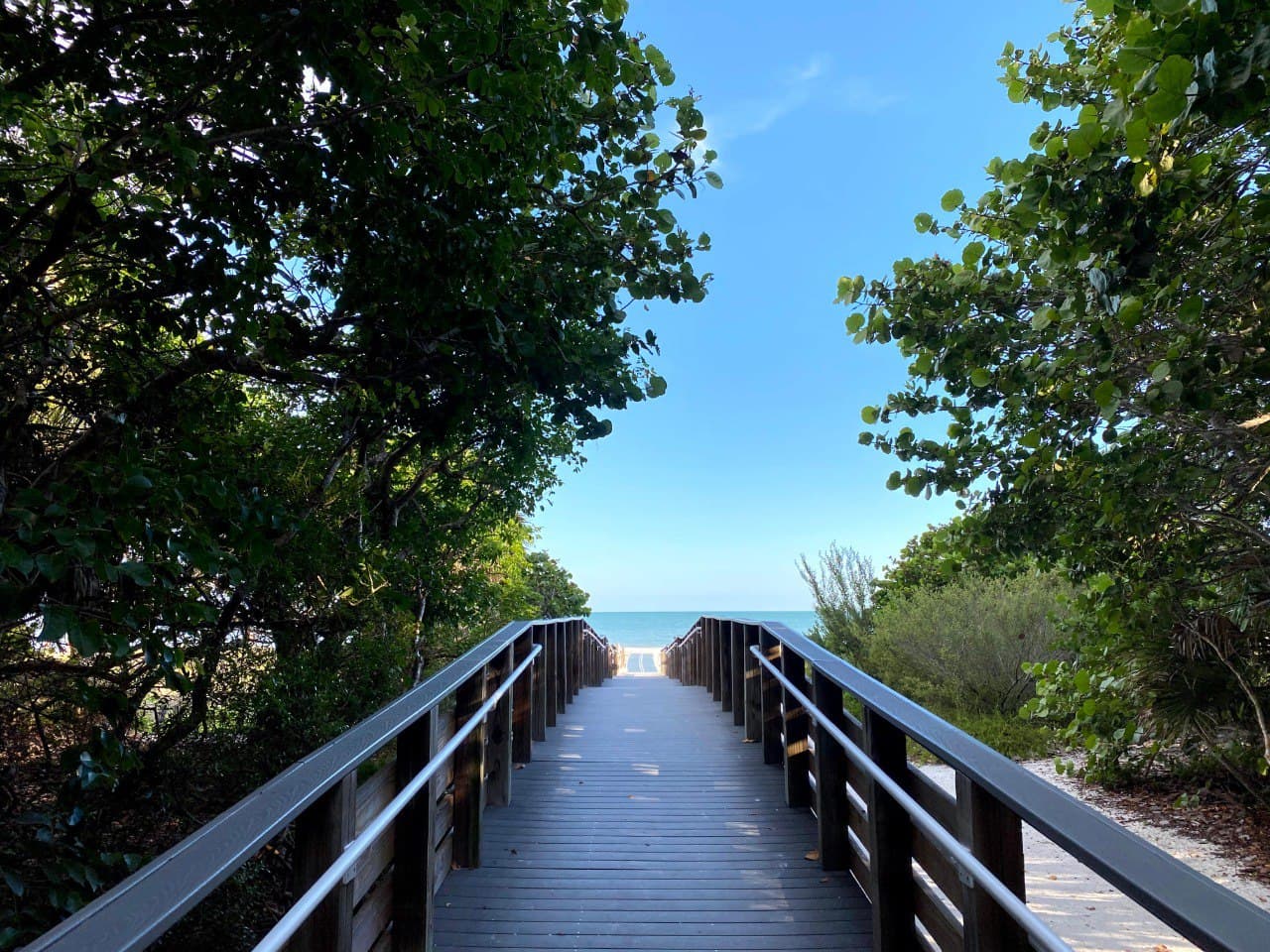
Year-round. Peak season has better air temps. Summer has warmer water and emptier beaches. Pick your trade-off — then use our beach guide to choose the right stretch of sand.
What About Prices?
Rough ranges for a gulf-view vacation rental (2BR condo):
🔴 Peak Season (Jan–Mar) — $300–$500/night · $2,000–$3,500/week
🟡 Shoulder Season (Apr–May, Nov) — $200–$350/night · $1,200–$2,200/week
🟢 Off-Season (Jun–Oct) — $150–$250/night · $800–$1,500/week
Hotels follow similar patterns. The biggest savings come from booking a vacation rental for a full week during shoulder or off-season.
The Bottom Line
There's no bad time to visit Sanibel — just different trade-offs.
Want perfect weather and the best shelling? Come in February. Want the island to yourself? Come in June. Want the best value? Come in May or November. Want to see wildlife? Come in December for birds or June for sea turtles.
No matter when you arrive, the island delivers. That's why people keep coming back.
Planning your first trip? Check out our complete visitor guide, current conditions, and beach guide to make the most of your time on Sanibel.