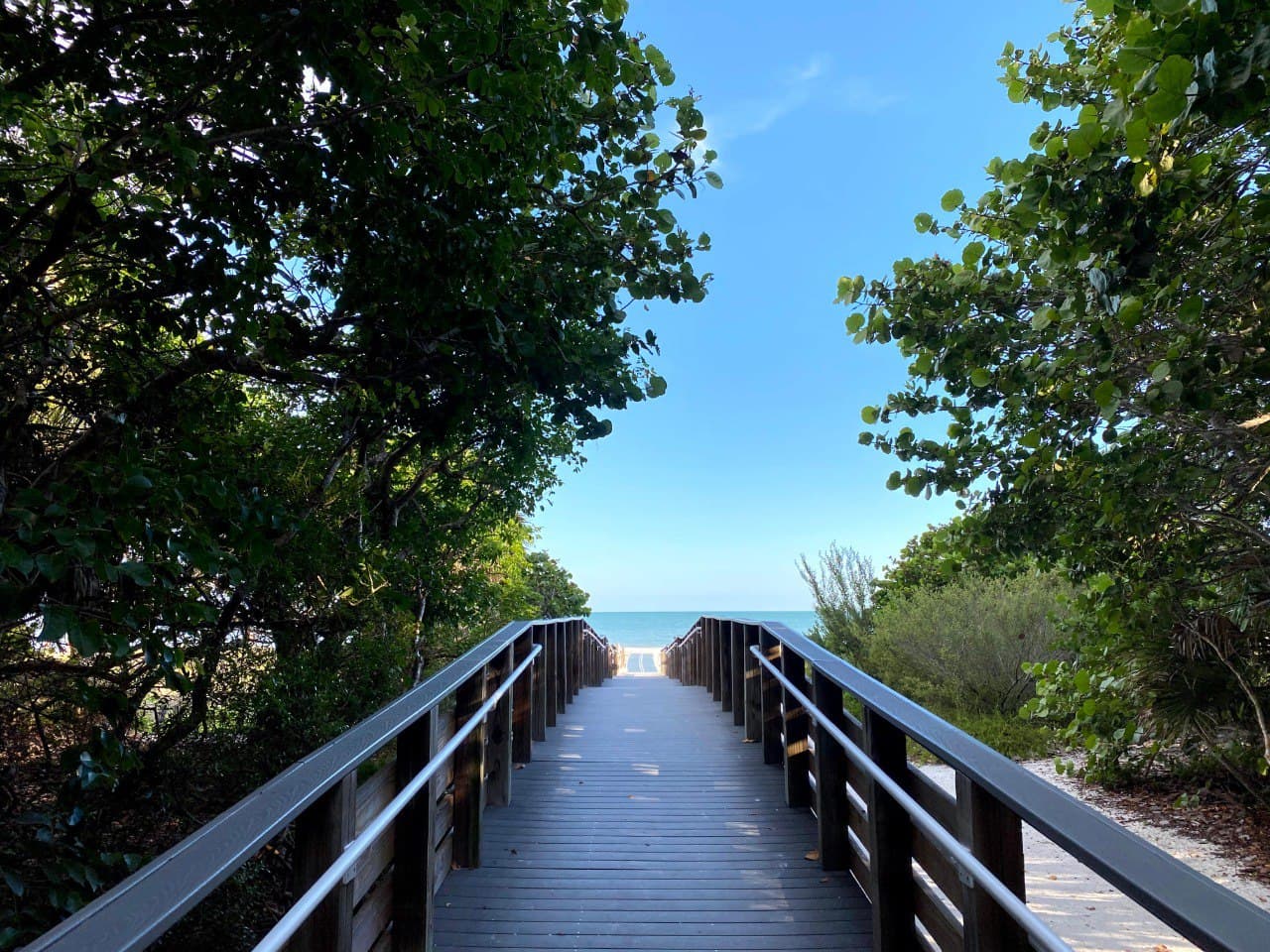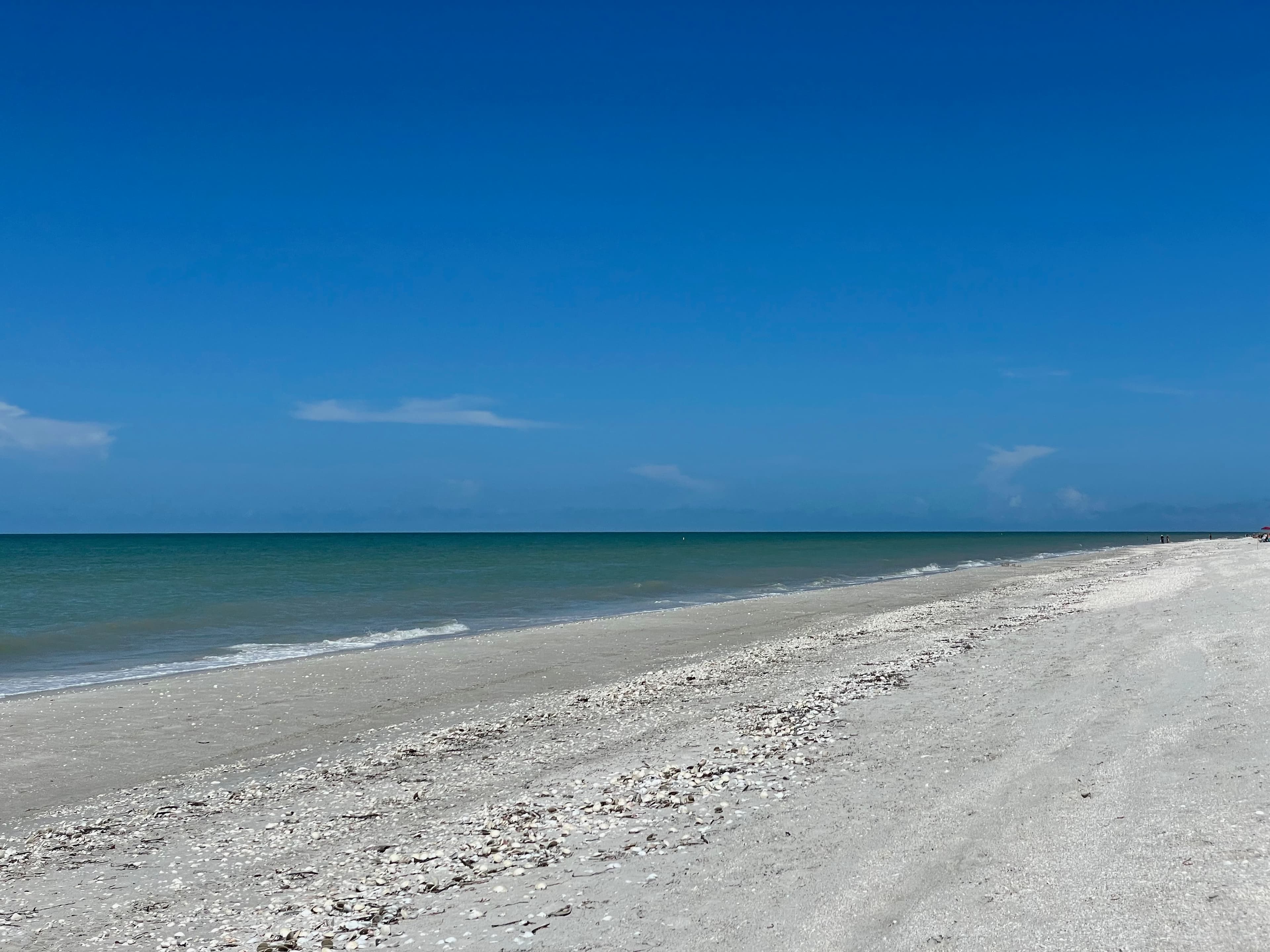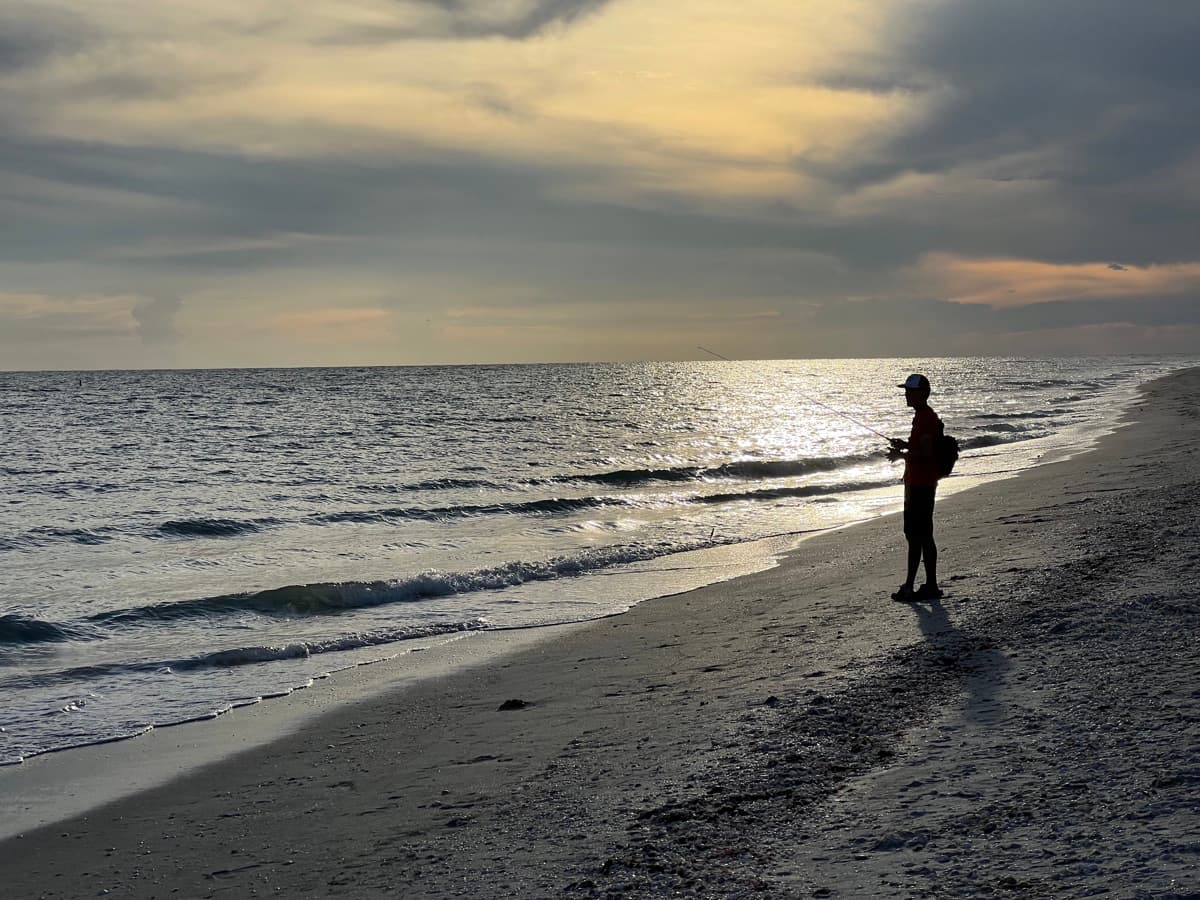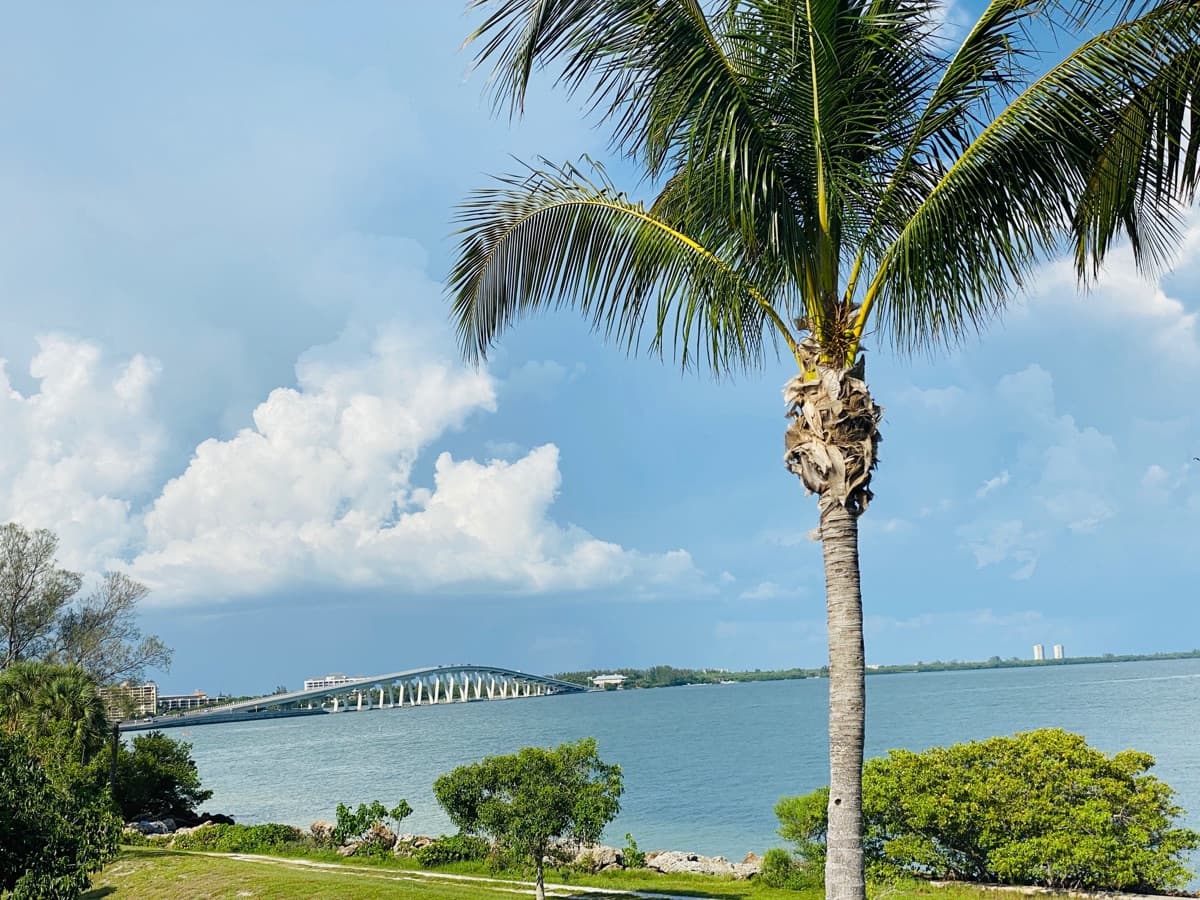
Late summer on Sanibel can be beautiful in its own quiet way. The Gulf is warm, the island is calmer than winter, and mornings can be gorgeous before the usual afternoon heat and storms build.
It is also hurricane season.
That does not mean you should panic, doom-scroll, or automatically cancel a trip. The better rule is this: peak season does not mean cancel your trip; it means travel with a plan.
Here is the calm, practical version of what to know before visiting during hurricane season, especially in August, September, or early October.
When Is Hurricane Season?
The National Hurricane Center says the Atlantic hurricane season runs from June 1 through November 30. Activity is not evenly spread across those six months.
According to the NHC's hurricane climatology, the first hurricane typically forms in early to mid-August, and the first major hurricane usually forms in late August or early September. The statistical peak of Atlantic hurricane season is September 10, with most activity occurring from mid-August through mid-October.
For Sanibel travelers, that means a September trip is not automatically a bad idea. It means weather planning belongs beside lodging, beach parking, and your route over the causeway.
If you are still choosing dates, our best time to visit Sanibel Island guide gives a broader month-by-month view of weather, crowds, prices, and trade-offs.
Start With Official Sources
For hurricane-season travel, official sources matter. Social media can be useful for local color, but it is not where you should make safety decisions.
Start with these:
- National Hurricane Center for tropical outlooks, advisories, tracks, watches, and warnings.
- NOAA hurricane preparedness for a simple preparedness framework: understand your risk, begin preparations, have multiple ways to receive forecasts and alerts, and know what to do before, during, and after a storm.
- Lee County Emergency Management for local emergency planning, shelters, evacuation information, the All Hazards Guide, the Family Emergency Plan, LeePrepares app information, and the Resident Information Tool.
- AlertLee for Lee County emergency mass notifications.
- City of Sanibel AlertLee information for city-specific guidance on signing up for county emergency alerts.
If there is a named system in the Gulf or western Atlantic, use the NHC and Lee County as your primary decision points. This article is evergreen planning guidance, not a current storm advisory.
Know Your Evacuation Zone
Sanibel is a barrier island, and barrier islands require extra respect during tropical weather. The most important local planning step is knowing the evacuation guidance for where you are staying.
Lee County Emergency Management links visitors and residents to its Resident Information Tool, often described as "Know Your Zone." Use it before your trip to understand the evacuation zone for your lodging address. If local officials issue an evacuation order, follow it. Do not wait to see what the water looks like from the beach.
This is especially important on Sanibel because the island is connected to the mainland by the Sanibel Causeway. Planning ahead helps you avoid rushed decisions if conditions change.
For everyday arrival logistics, our first-time visiting Sanibel guide covers the basics of getting around, and our parking guide is helpful once you are on the island.
Sign Up for Alerts Before You Arrive
AlertLee is Lee County's emergency mass notification system for time-sensitive emergency information. Lee County lists hurricanes, wildfires, evacuations, and missing persons among the alerts the system may cover. Alerts can be delivered by voice, text, email, home phone, or business phone.
If you are visiting during hurricane season, sign up before you travel. Do not rely on one app, one forecast model screenshot, or one group post.
The City of Sanibel also points residents and visitors to AlertLee resources. City Hall is located at 800 Dunlop Road, Sanibel, FL 33957, and the city phone number is (239) 472-3700. During an active emergency, follow emergency management instructions first.
One important note: Sanibel hurricane re-entry passes are not a normal visitor planning tool. The City maintains Hurricane Re-Entry Pass information for eligible groups and local recovery access. Visitors should focus on lodging policies, evacuation instructions, official alerts, and safe travel plans.
Build Flexibility Into the Trip
The best hurricane-season travel plan is flexible before it needs to be.
Before booking, read the cancellation policy for your hotel, resort, or vacation rental. Look for the difference between a general cancellation window, a named-storm policy, and travel insurance coverage.
Travel insurance can be useful, but read the policy carefully. Coverage varies, and many policies require purchase before a storm is named.
Also think through the "leave early" scenario. If conditions change, would you drive inland, fly out sooner, or shift to another Florida location?
Check Conditions Daily, But Do Not Spiral
During a normal late-summer Sanibel trip, your daily rhythm may include heat, humidity, and afternoon thunderstorms. That is different from a tropical threat.
Use the NHC for tropical outlooks and advisories, then use local weather and our Sanibel conditions page for tides, wind, and beach conditions. If there is no active local advisory, enjoy the island.
Stay informed enough to act early, but not so locked into weather anxiety that you miss the morning walk, quiet dinner, or sunset after a passing storm.
If hurricane history is part of why you are thinking about this carefully, our Sanibel Hurricane Ian recovery article gives context without turning every future trip into a fear story.
Hurricane-Season Travel Planning Checklist
Use this before visiting Sanibel in late summer or early fall:
- Check the NHC tropical weather outlook before departure and during the trip.
- Review NOAA hurricane preparedness guidance so you understand the basics before you need them.
- Look up your lodging address through Lee County's evacuation zone tools.
- Sign up for AlertLee and enable text or voice alerts.
- Bookmark Lee County Emergency Management resources, including shelter and evacuation pages.
- Read your lodging cancellation policy and any named-storm language.
- Consider travel insurance before a storm is named, not after.
- Keep your rental car fueled if a tropical system is nearby.
- Keep phones charged and pack a small backup battery.
- Bring any essential medications in your carry-on or day bag.
- Save key phone numbers and addresses offline.
- Have a simple mainland backup plan if officials advise leaving.
- Follow evacuation orders quickly if issued.
That list may sound serious, but most of it takes 20 minutes. Once it is done, the big decisions are no longer vague.
So, Should You Visit Sanibel in September?
Maybe. It depends on your risk tolerance, flexibility, and trip style.
September can mean quieter beaches, lower prices, warm Gulf water, and a slower island pace. It can also mean heat, humidity, afternoon storms, and the highest part of hurricane season. Both things can be true.
If you need a low-weather-stress beach vacation, winter or early spring may fit better. If you are comfortable watching official forecasts, booking flexible plans, and making early decisions, late summer can still be rewarding.
The key is not pretending hurricane season does not exist. It is respecting it without letting it define the whole trip.
Plan calmly. Use official sources. Know your zone. Sign up for alerts. Keep your plans flexible. Then enjoy the Sanibel you came for: warm water, quiet mornings, shells under your feet, and that first causeway view.