Updated August 9, 2026: We refreshed this first-time guide with current internal planning links and conservative reminders to verify day-of conditions, hours, and weather-sensitive plans before you go.
So you're heading to Sanibel Island for the first time. Good choice. Sanibel is unlike any other Florida beach destination — quieter, more natural, and genuinely beautiful in a way that doesn't require a filter.
But it also has some quirks that catch first-timers off guard. No traffic lights. Limited dining reservations. A $6 causeway toll. Shells so thick on the beach you might need water shoes.
Here's everything we wish someone had told us before our first visit.
Getting to Sanibel
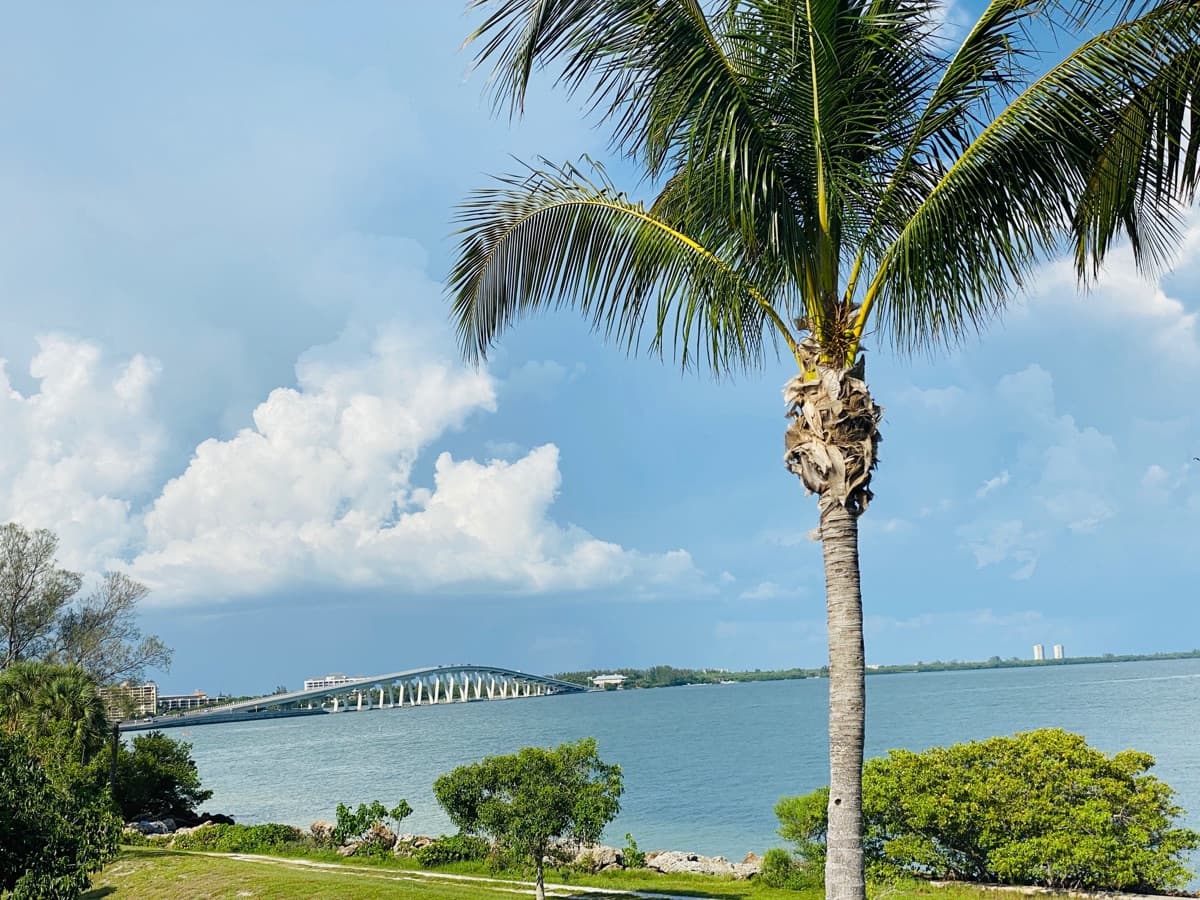
Sanibel is a barrier island off the southwest coast of Florida, connected to the mainland by the Sanibel Causeway — a 3-mile bridge that starts in Fort Myers.
Nearest Airports
- Southwest Florida International Airport (RSW) — 25 miles away, about 35-45 minutes to the island. This is your best bet.
- Fort Myers Page Field (FMY) — Smaller, closer, but fewer flights.
- Miami (MIA) or Tampa (TPA) — Both about 2.5-3 hours by car. Only worth it if you're combining with a bigger Florida trip.
The Causeway
The Sanibel Causeway has a $6 toll (cash or SunPass) — each way. It's the only road to the island, and our full Sanibel Causeway guide explains why it's worth stopping before you just drive across. On busy weekends and holidays, traffic can back up significantly, especially between 10 AM and 2 PM.
Pro tip: Arrive before 9 AM or after 4 PM to avoid the worst of it. The causeway itself is actually beautiful — pull over at one of the small beaches on the causeway islands for photos.
Getting Around the Island
Sanibel has no Uber, no Lyft, and no public transit. Your options:
- Rental car — The most practical choice. You'll want one.
- Bikes — Sanibel has over 25 miles of paved bike paths that run along the main roads. Many visitors bike everywhere. Rentals are available at shops across the island, and our Sanibel biking guide covers the best routes.
- Golf carts — Rentable from several shops, and a fun way to get around if you're staying nearby.
Before you leave for the day, check current conditions for weather, tides, wind, and shelling timing.
Where to Stay
Sanibel has no high-rise hotels — the island has a building height limit of 45 feet (roughly 3-4 stories). Everything is low-rise, tucked into tropical vegetation, and feels more like a nature retreat than a resort.
Types of Accommodations
- Resorts — Sundial Beach Resort & Spa is the biggest. 'Tween Waters on Captiva is another classic. These have pools, restaurants, and beach access.
- Vacation rentals — The most popular option. Condos and beach houses on VRBO and Airbnb. Book early for peak season (January-April).
- Inns and B&Bs — Smaller, more personal. The Island Inn has been around since 1895.
Where on the Island?
- East End (near the causeway) — Closest to the Lighthouse, quieter beaches, easy access to the causeway.
- Mid-Island (Periwinkle Way corridor) — Near shops, restaurants, and the main commercial area.
- West End — Near Bowman's Beach and Blind Pass. Quieter, more residential, best shelling.
- Captiva Island — Connected to Sanibel's north end. More upscale, great sunsets, fewer crowds.
When to Book
- Peak season (Jan-Apr): Book 3-6 months in advance. Prices are highest. Expect $200-400/night for a decent rental.
- Shoulder season (Nov-Dec, May): Good availability, moderate prices.
- Off-season (Jun-Oct): Lowest prices, but it's hot, humid, and afternoon thunderstorms are a daily occurrence. Hurricane season runs June through November.
Best Beaches
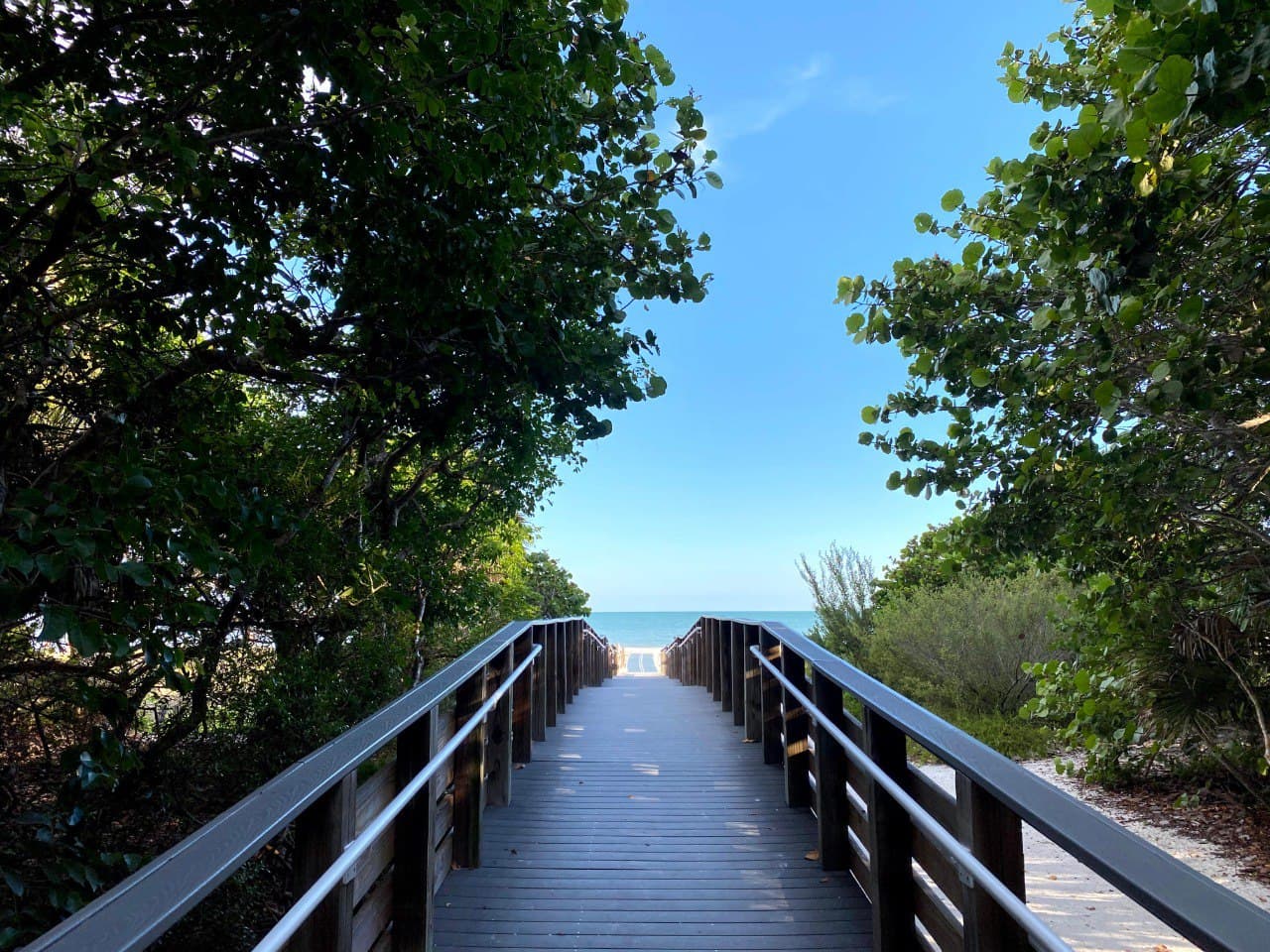
Sanibel has several public beach access points, each with a slightly different vibe:
Lighthouse Beach
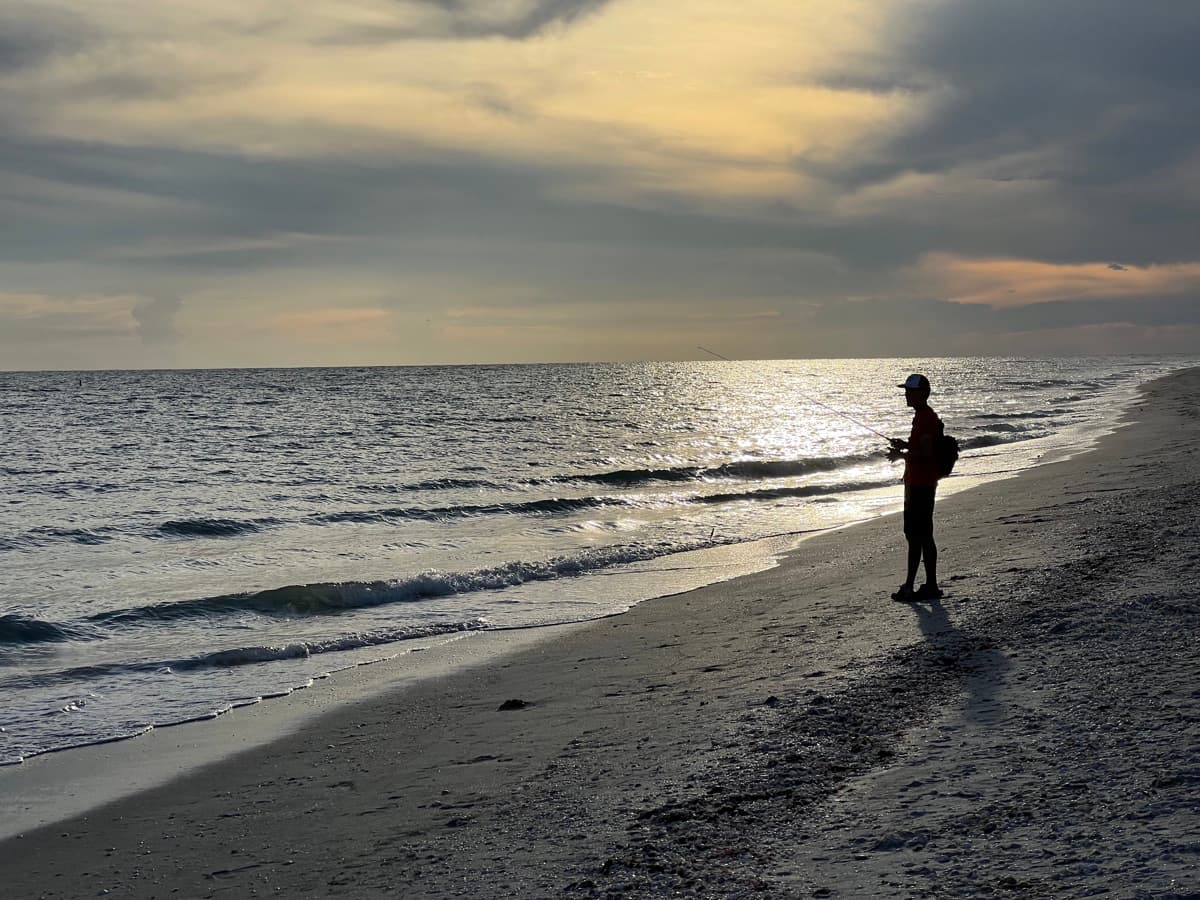
At the eastern tip of the island. The Sanibel Lighthouse (built 1884) is here — great for photos. The beach wraps around the point, so you get both Gulf and bay views. Decent shelling, good fishing from the pier.
Bowman's Beach
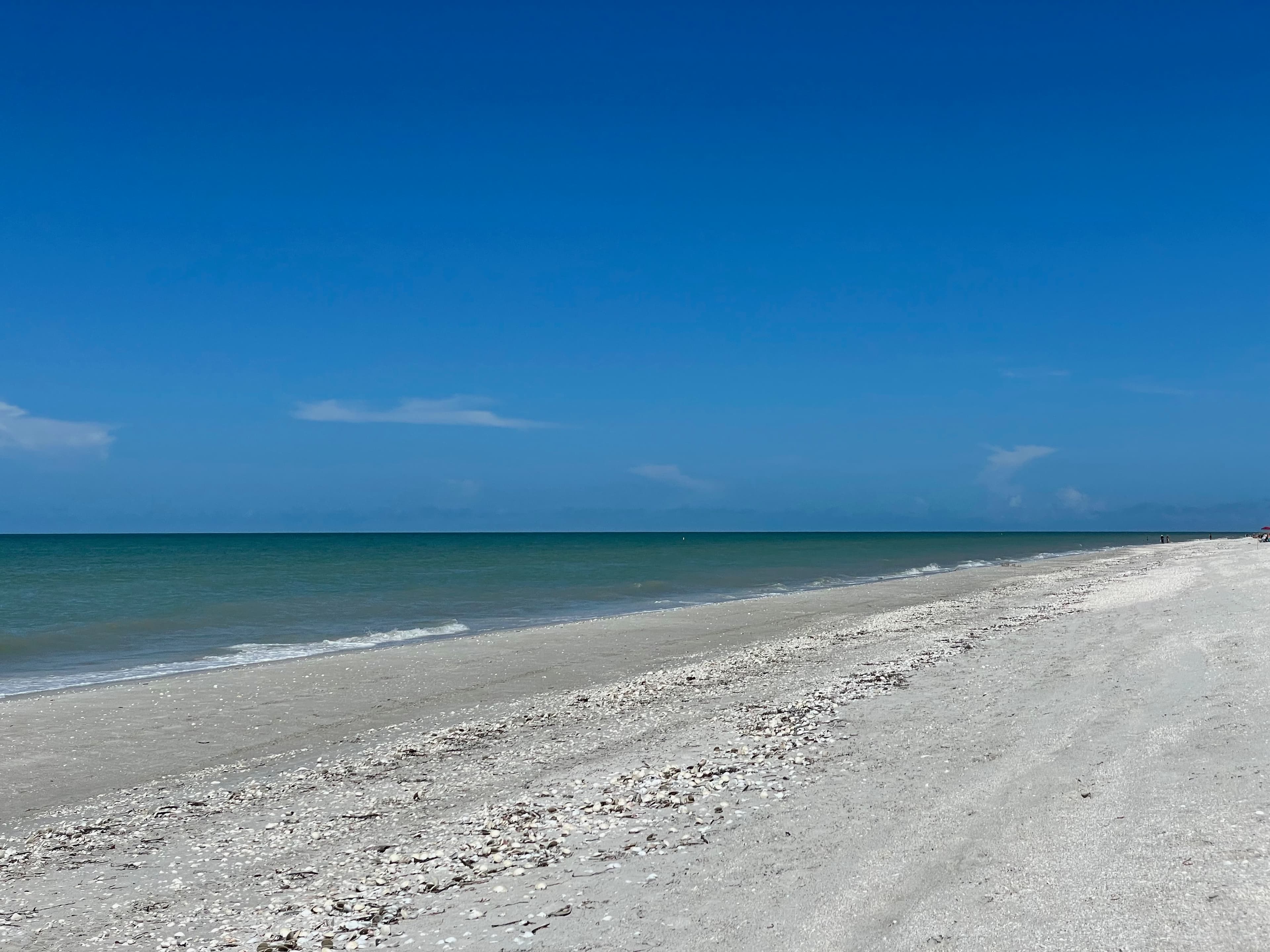
The locals' favorite. It's a short walk from the parking lot through a nature path, which keeps the crowds thinner. Best shelling on the island — especially at low tide after a storm. No buildings in sight, just sand and Gulf.
Tarpon Bay Beach
Mid-island, easy access. Less crowded than Lighthouse Beach, good for families. Nice mix of shells and swimming.
Blind Pass Beach
At the western end where Sanibel meets Captiva. Strong currents (be careful swimming), but excellent shelling. The pass creates interesting tidal patterns that deposit shells.
Causeway Islands
Technically not on Sanibel, but the small islands along the causeway have calm, shallow water perfect for families with small kids. Great for paddleboarding and kayaking too.
For parking, amenities, and side-by-side beach comparisons, keep the Sanibel beaches guide open while you plan.
The Shelling Thing
Yes, Sanibel really is that good for shelling. The island's east-west orientation acts like a natural scoop, catching shells from the Gulf of Mexico that other barrier islands miss.
Quick Shelling Tips
- Go at low tide. Check the tide charts — low tide exposes the shell beds.
- Go early. Serious shellers are out at dawn. By 10 AM, the best stuff is picked over.
- After storms = jackpot. Cold fronts and rough surf churn up shells from deeper water.
- The Sanibel Stoop is real. You'll spend hours bent over picking through shells. Your back will hurt. It's worth it.
- Live shells stay. If there's a creature living in it, put it back. It's the law (and the right thing to do).
For the full guide, check out our Ultimate Shelling Guide.
Where to Eat
Sanibel has surprisingly great restaurants for a small island. Here are the highlights:
- Doc Ford's Rum Bar & Grille — The most well-known. Named after a character in Randy Wayne White's novels (he's a local). Get the Yucatan shrimp.
- The Lazy Flamingo — Casual, fun, great grouper sandwich. Two locations on the island.
- Mudbugs Cajun Kitchen — Newer spot, excellent crawfish and po'boys.
- Tutti Pazzi — Italian with a Sanibel twist. Great date night spot.
- The Clam Shack — Exactly what it sounds like. Clam strips, lobster rolls, outdoor seating.
- Sanibel Bean — Coffee shop on Periwinkle. Good lattes, chill vibe, grab-and-go breakfast.
Important: Reservations are tough to get during peak season. Book ahead, especially for dinner. Many restaurants close between lunch and dinner service (2-4 PM gap).
For the full list, check our Sanibel dining guide.
Things to Do (Beyond the Beach)
J.N. "Ding" Darling National Wildlife Refuge
A 6,400-acre wildlife refuge on the north side of the island. Drive, bike, or kayak through mangrove trails and see roseate spoonbills, ospreys, alligators, and manatees. The Wildlife Drive is a 4-mile one-way road through the refuge — $5/car. Go at low tide for the best bird sightings.
Full guide: Visiting Ding Darling
If you want a broader menu beyond the refuge, start with our things to do guide or use the interactive island map to group beaches, dining, and activities by location.
Biking
Sanibel's bike path system is one of the best in Florida. Rent bikes and ride from one end of the island to the other — it's flat, shaded, and beautiful. The path runs along Periwinkle Way, Sanibel-Captiva Road, and most of the main roads.
Kayaking & Paddleboarding
Launch from Tarpon Bay Explorers or Bowman's Beach. The mangrove tunnels are incredible — like paddling through a nature cathedral. Guided tours available if you want someone to point out the wildlife.
Sanibel Farmers Market
Every Sunday, 9 AM – 1 PM (November through May) at Sanibel City Hall. Local produce, baked goods, crafts, and live music. A great Sunday morning tradition.
Shopping on Periwinkle Way
Periwinkle Way is the island's main drag. It's not a strip mall — it's a canopy-covered road lined with locally-owned shops, galleries, and restaurants tucked into tropical plazas. Check out Periwinkle Place, The Village Shops, and the boutiques along the way.
What to Pack
- Reef-safe sunscreen — Sanibel takes its environment seriously.
- Water shoes — The shells on the beach can be sharp. Seriously, bring them.
- Bug spray — Mosquitoes and no-see-ums are real, especially at dusk and in summer.
- Binoculars — For Ding Darling and beach birding.
- A mesh bag — For collecting shells. Sold at every shop on the island, but bring your own to save $10.
- Layers — Winter evenings can drop into the 50s-60s. A light jacket saves you.
- Casual everything — Sanibel is flip-flops and shorts, even at dinner. No dress codes anywhere.
Budget Tips
- Causeway toll: $6 each way. SunPass works.
- Parking: Most beaches charge $5/hour. Annual Sanibel parking stickers are $300 for non-residents. If you're staying on-island, your rental may include beach access.
- Free beach access: The Causeway islands have free parking and beaches.
- Happy hours: Several restaurants have great happy hour deals (Lazy Flamingo, Cielo).
- Off-season savings: Visiting May-September can save 30-50% on accommodations.
- Cook at home: If you're renting a place with a kitchen, stock up at Jerry's Foods or Bailey's General Store — both are full grocery stores on the island.
The Stuff Nobody Tells You
- There are no traffic lights on Sanibel. Just 4-way stops. It keeps things slow and calm — embrace it.
- The speed limit is 35 mph on most of the island, and 25 in residential areas. They enforce it.
- Street lights are minimal. The island limits light pollution to protect sea turtle nesting. It gets dark at night. Bring a flashlight for beach walks.
- Wildlife has the right of way. Gopher tortoises cross the road at their own pace. Ospreys nest on power poles. Manatees hang out in the marina. You're in their home.
- Cell service is spotty in some areas, especially near Ding Darling. Download maps and restaurant info before you go.
- Sanibel is still recovering from Hurricane Ian (2022). Most businesses are rebuilt and open, but you may see some construction. Our 2026 recovery update has the clearest snapshot of what that looks like on the ground. The island came back stronger — but it's a reminder of the power of nature here.
- It's not a party island. No clubs, no boardwalk, no spring break scene. That's the whole point. If you want nightlife, Fort Myers Beach is 30 minutes away.
The Bottom Line
Sanibel is the kind of place where you plan to stay three days and end up wishing you'd booked a week. It's quiet, it's beautiful, and it moves at a pace that reminds you life doesn't have to be so rushed.
Come for the shells. Stay for everything else.
Planning your trip? Check our real-time beach conditions, restaurant guide, and shelling guide. Follow us on Instagram and Facebook for daily island updates.