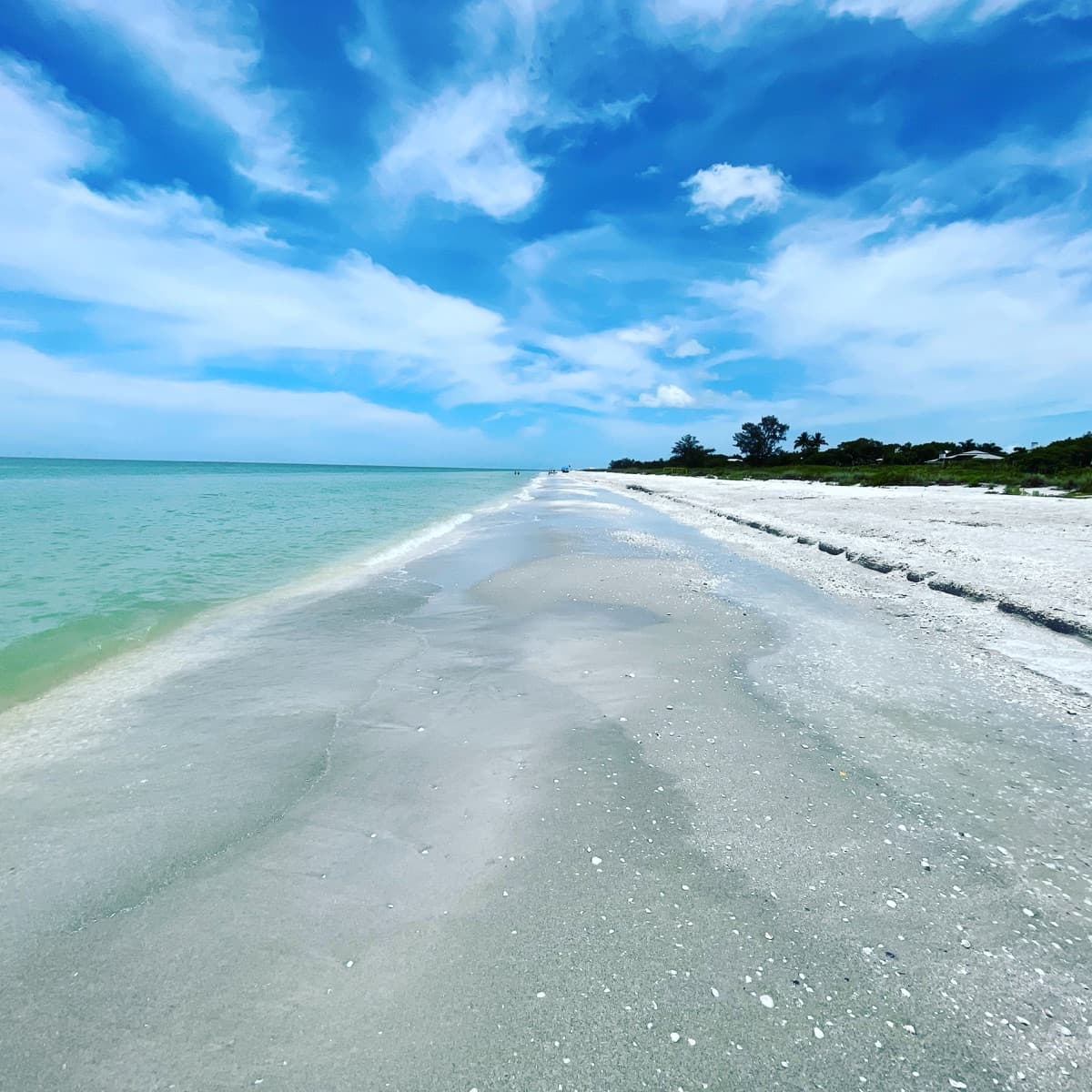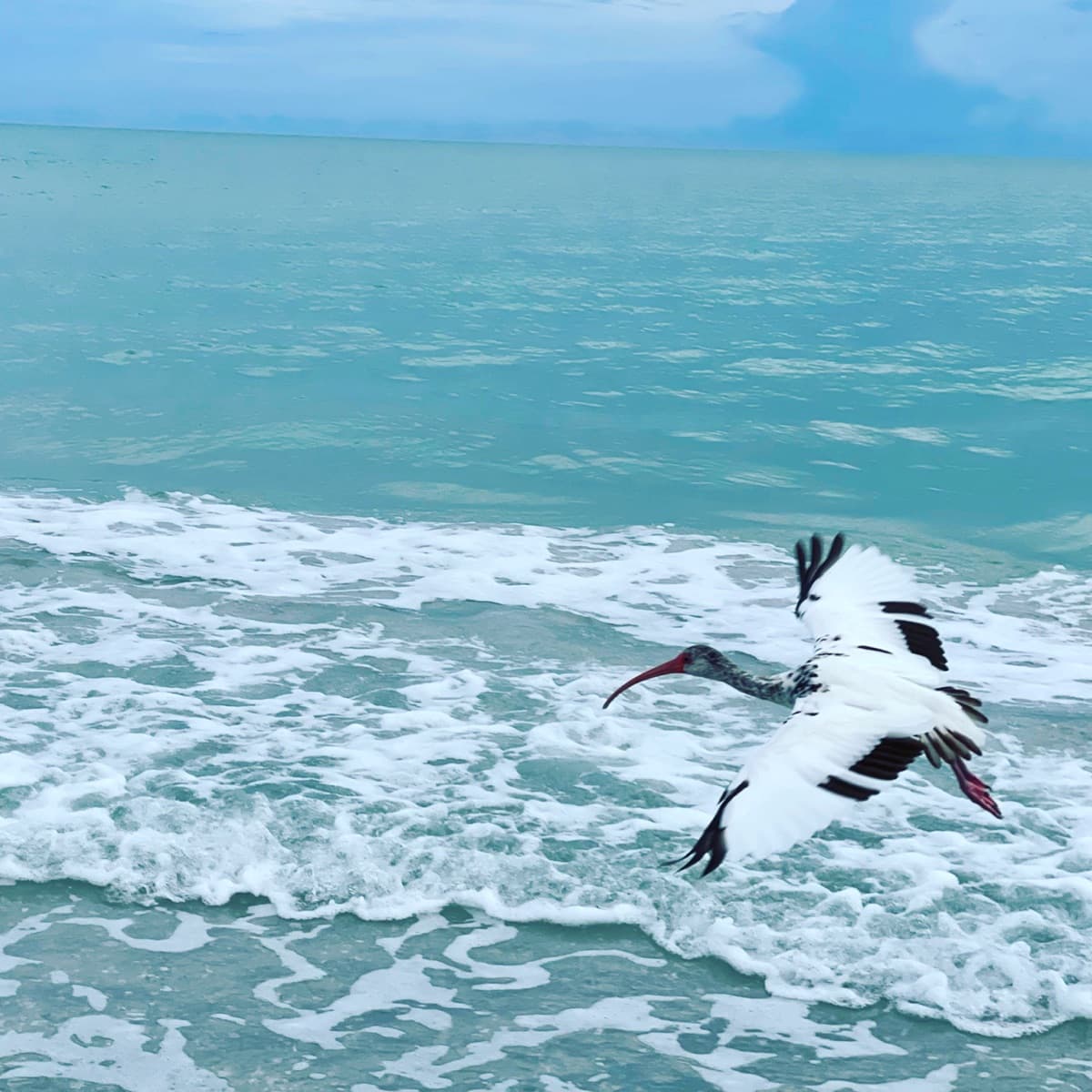
Sanibel Island is one of the best wildlife watching destinations in the United States. Over 67% of the island is protected conservation land, and the J.N. "Ding" Darling National Wildlife Refuge protects 6,500 acres of mangrove estuary that supports an astonishing diversity of life.
More than 245 bird species have been recorded here. Dolphins feed close to shore. Manatees drift through the warm shallows. Sea turtles nest on the beaches. And alligators sun themselves beside freshwater ponds.
You do not need to be a birder or a biologist to enjoy Sanibel's wildlife. You just need to slow down and pay attention.
Birds
Birding is the main event. Sanibel attracts serious birders from around the world, but you do not need any experience to enjoy what is here.
The Must-See Species
- Roseate Spoonbills — the pink ones. Not flamingos (there are no wild flamingos on Sanibel). Spoonbills feed by sweeping their flat, spoon-shaped bills through shallow water. Best seen at Ding Darling from December through April — and our full Ding Darling guide helps you time the drive for the best sightings.
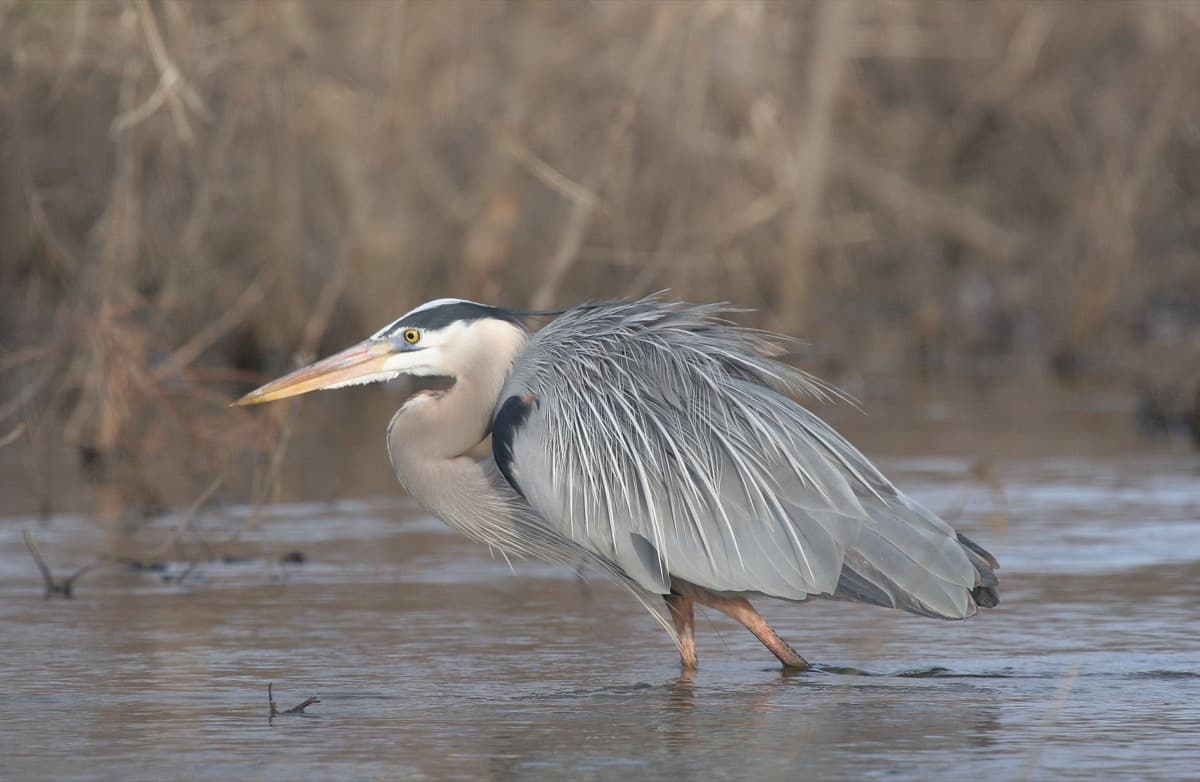
- Great Blue Herons — tall, patient, and everywhere. They stand motionless in the shallows waiting for fish.
- Ospreys — the island's most visible raptor. You will see their large stick nests on platforms and power poles throughout the island. Watch them dive for fish — it is spectacular.
- Brown Pelicans — dive-bombing into the water to catch fish. Best watched from the pier or causeway.
- White Pelicans — much larger than brown pelicans, these arrive in massive flocks during winter. They fish cooperatively, herding fish into tight groups.
- Anhingas — often called "snakebirds" because they swim with just their neck above water. You will see them drying their wings on branches — they look prehistoric.
- Bald Eagles — yes, they are on Sanibel. A nesting pair has been documented on the island. Sightings are less common but thrilling.
- Wood Storks — large, distinctive wading birds with bald heads. Listed as threatened. Common at Ding Darling.
Shorebirds and Nesting Season
From March through August, Sanibel's beaches become critical nesting habitat for several protected species:
- Least Terns — tiny, fast, and loud
- Snowy Plovers — small and well-camouflaged
- Black Skimmers — unmistakable with their oversized lower bill
- American Oystercatchers — black and white with bright orange bills
- Wilson's Plovers — nest right on the sand
During nesting season, sections of beach are roped off with signs. Stay out of these areas. The birds nest directly on the sand, and eggs and chicks are nearly invisible. One careless step can destroy a nest.
Dolphins
Bottlenose dolphins are commonly spotted from the beach, especially:
- Morning and late afternoon — when they are most actively feeding
- Near the passes — Blind Pass and the Lighthouse area, where tidal currents concentrate baitfish
- From the causeway — dolphins regularly feed between the causeway islands
You do not need a boat tour to see dolphins on Sanibel, though guided tours with companies like Adventures in Paradise and Captiva Cruises get you closer. From shore, bring binoculars and watch for dorsal fins — once you spot one, you will usually see several.
Manatees
West Indian manatees frequent the warm waters around Sanibel, especially during cooler months (November through March) when they seek warm shallow water.
- Best spotted from kayak — Tarpon Bay Explorers offers guided kayak tours through Ding Darling where manatee sightings are common
- Near the causeway — manatees are occasionally seen in the shallow flats
- From the Sanibel Lighthouse fishing pier area — they pass through the channel
If you see a manatee, maintain distance and do not touch or feed it. They are federally protected.
Sea Turtles
Loggerhead sea turtles nest on Sanibel's beaches from May through October. During nesting season:
- No flashlights on the beach after dark — artificial light disorients nesting females and hatchlings
- Fill in holes before you leave — hatchlings can get trapped
- Remove beach furniture at night — it creates obstacles for nesting turtles
- Never approach a nesting turtle — observe from a distance
The Sanibel-Captiva Conservation Foundation (SCCF) monitors nesting activity and sometimes leads permitted sea turtle walks during nesting season. These fill up fast — book early.
Alligators
Yes, there are alligators on Sanibel. They live in the freshwater ponds, canals, and marshes throughout the island.
- Bailey Tract — the most reliable spot for alligator sightings. Freshwater marshes with clear sight lines.
- Ding Darling — occasionally seen in pools along Wildlife Drive
- Golf courses and retention ponds — common habitat
Alligators are generally not aggressive toward humans, but give them space. Never feed an alligator — it is illegal in Florida and makes them associate humans with food.
Best Wildlife Watching Spots
J.N. "Ding" Darling National Wildlife Refuge
The premier spot. Wildlife Drive, kayak tours, walking trails. If you only do one thing on Sanibel, do this. See our complete Ding Darling guide.
Bailey Tract
A hidden gem. This freshwater marsh off Tarpon Bay Road is free to access and excellent for birding, alligator watching, and photography. Flat, easy trails with open sight lines.
Lighthouse Beach
Shorebirds, dolphins in the pass, ospreys overhead. The rocky shoreline near the pier attracts different species than the sandy beaches.
Bowman's Beach
More secluded, great for shorebird watching. During nesting season, roped-off areas are active with plovers and terns.
Causeway Islands
Surprisingly good for wildlife. If you're biking nearby, our Sanibel biking guide shows how easily this can fit into a larger ride. Dolphins feed between the islands, ospreys fish from the bridge, and pelicans dive-bomb all day long.
Gear and Tips
- Binoculars — the single most important thing to bring. Even a $30 pair transforms the experience.
- Camera with zoom — if you have one. Many of Sanibel's best wildlife photos come from visitors with modest telephoto lenses.
- Merlin Bird ID app — free app from Cornell Lab. It identifies birds by sound and by photo. Download it before your trip.
- Polarized sunglasses — cuts the glare on water and helps you spot fish, stingrays, and turtles in the shallows.
- Sunscreen and a hat — wildlife watching often means standing in the sun.
- Patience — the best sightings come to those who wait. Find a good spot, sit still, and let the wildlife come to you. For more trip planning, our wildlife activities page rounds up the best nature-focused stops.
Sanibel's conservation identity is what makes it fundamentally different from every other beach town in Florida. The wildlife is not a bonus — it is the point. Respect it, enjoy it, and take nothing but photos.