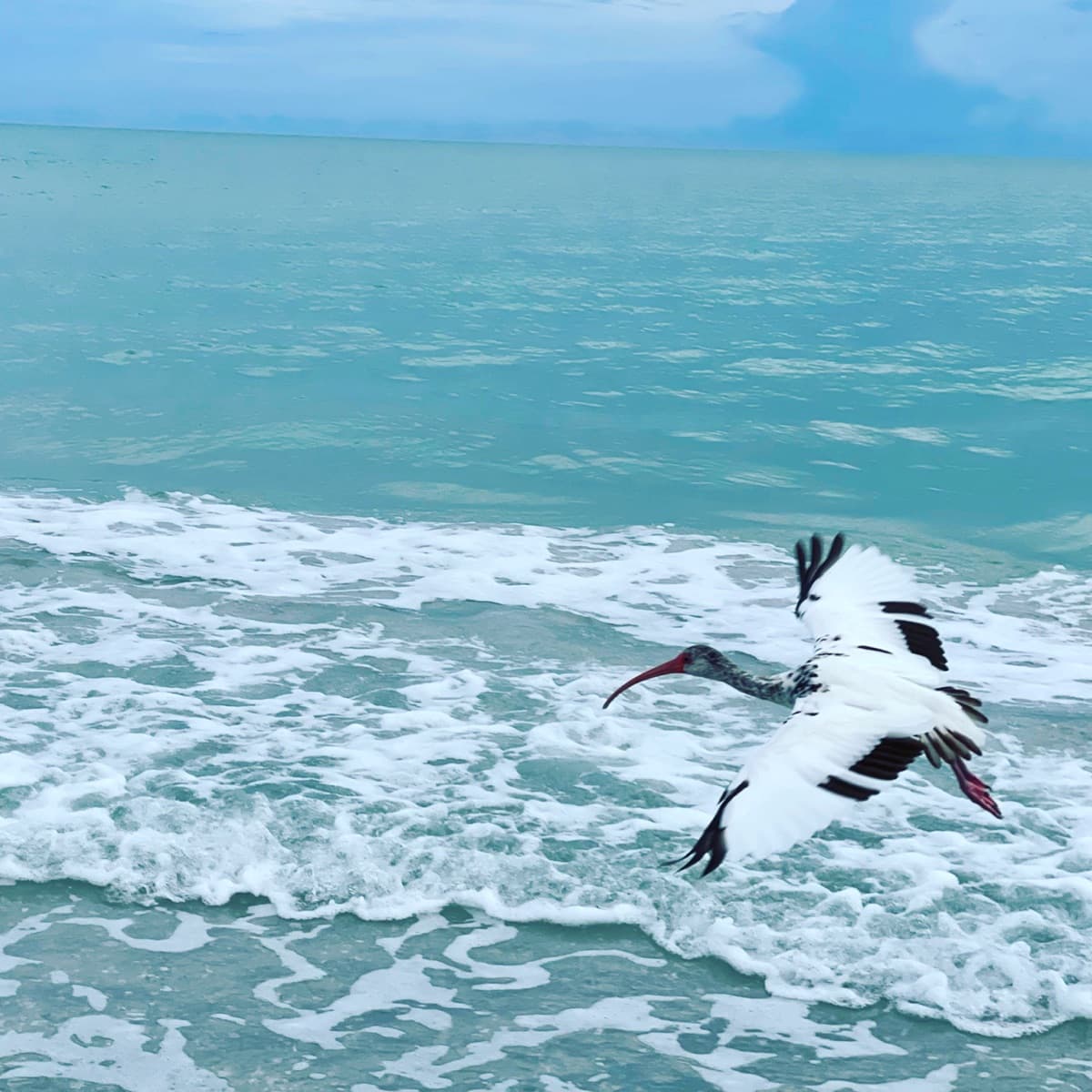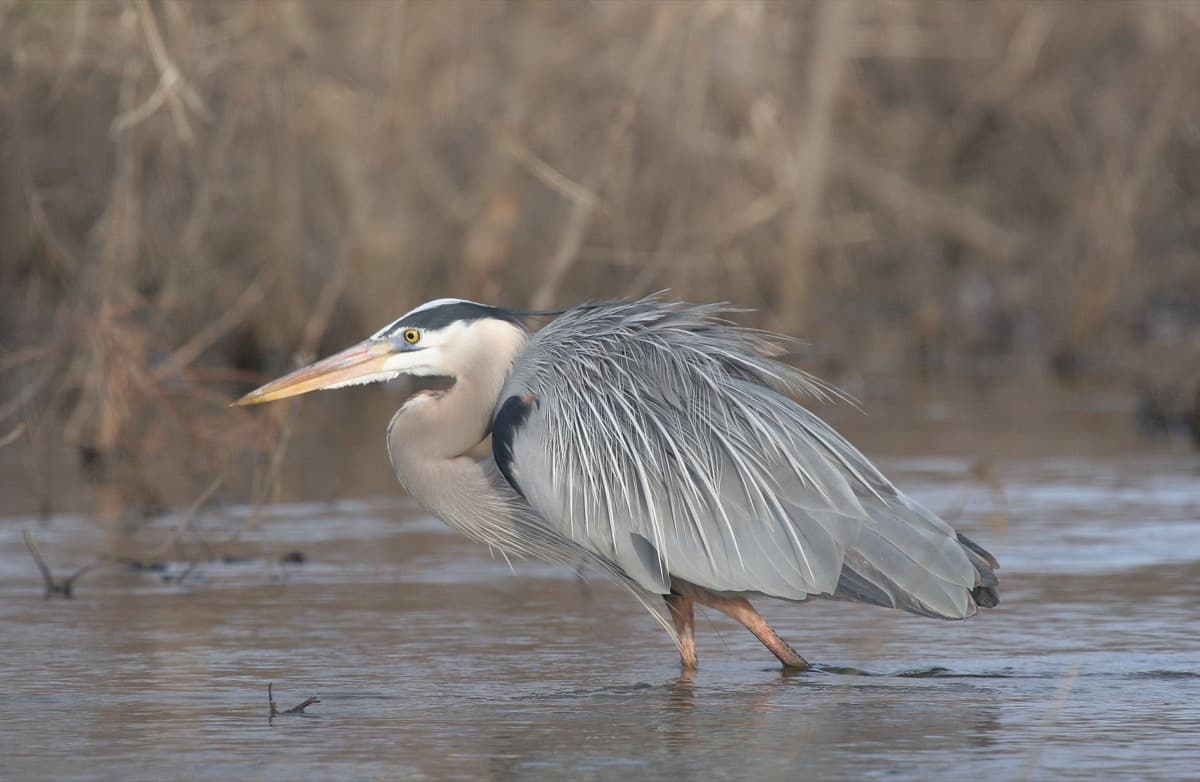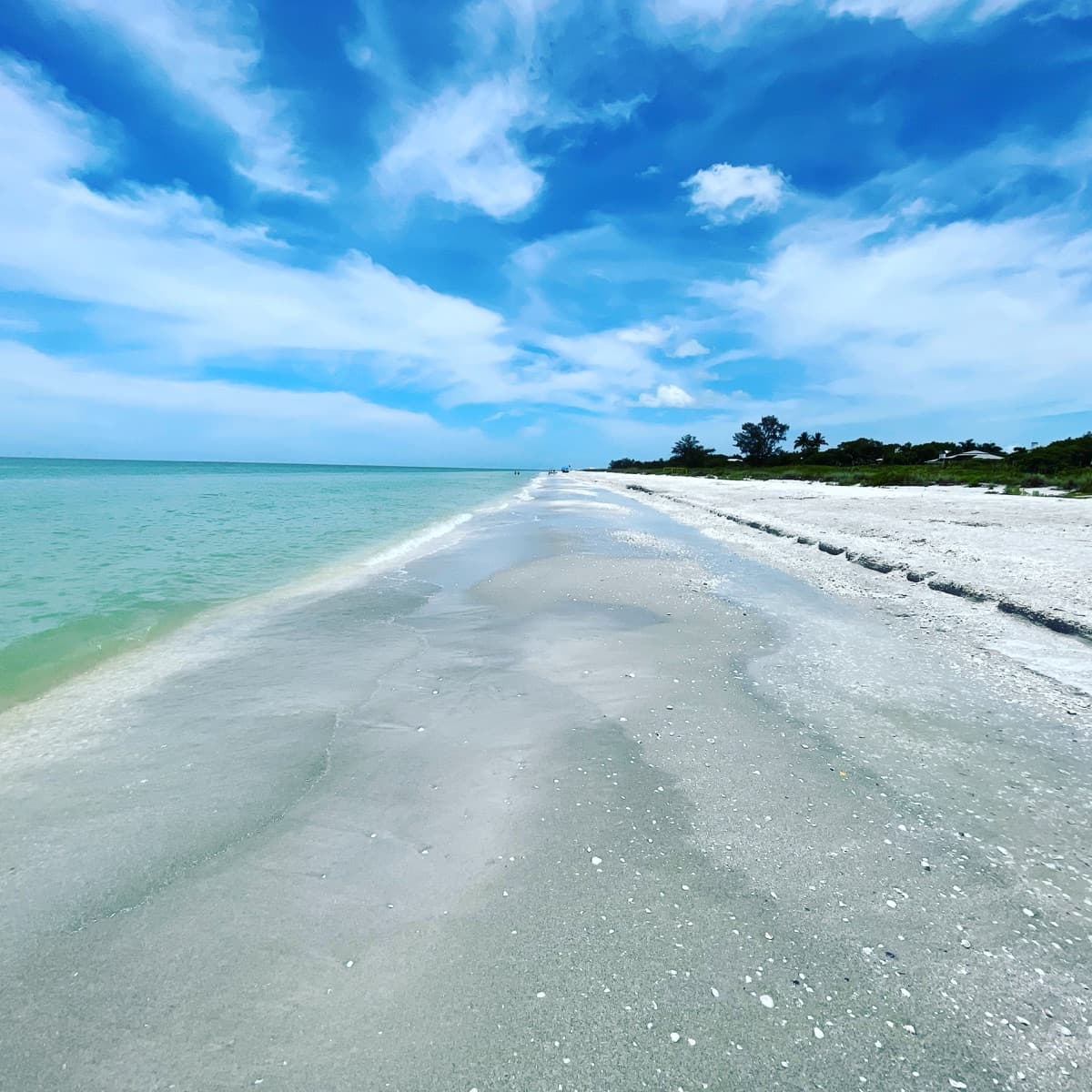
There are a lot of reasons people fall in love with Sanibel. The shelling is world-class. The wildlife feels woven into everyday island life. And even on a busy beach day, there is still this sense that nature is setting the pace, not us.
That feeling gets even stronger during Sanibel sea turtle season.
From spring through fall, Sanibel’s beaches become nesting habitat for sea turtles, with local conservation teams out early every morning checking for new nests, marking protected areas, and helping give hatchlings their best possible shot. For visitors, it is one of the coolest things about being here. It is also one of the easiest times to accidentally do the wrong thing if you do not know the rules.
So if you are visiting during sea turtle nesting season on Sanibel Island, this is the guide we’d want you to read first. We’ll cover when the season runs, what the marked nests mean, the beach rules that actually matter, where to learn more on-island, and how Sanibel protects one of its most special seasonal visitors.
If wildlife is one of the main reasons you’re coming, you’ll also want our Sanibel Island wildlife guide, plus our guides to first-time visiting Sanibel, Ding Darling, and shelling on Sanibel.
When is sea turtle season on Sanibel Island?
Sea turtle monitoring season on Sanibel and Captiva runs from April through October. That is the broad window visitors should keep in mind, but there are a few smaller timing patterns that help set expectations.
SCCF's monitoring season begins in mid-April, while the official Florida sea turtle nesting season runs May 1 through October 31.
The typical nesting timeline
- April: Monitoring begins, and the first nests can start appearing toward the end of the month
- May through July: Usually the heart of nesting season
- Peak nesting activity is generally May through July for loggerheads, while green turtle nesting typically runs from June into September.
- Late June through October: Hatchlings begin emerging from nests, with the first hatchlings sometimes appearing as early as late June
On Sanibel, local monitoring work is led by the Sanibel-Captiva Conservation Foundation (SCCF), which conducts daily nesting surveys during the season. That means the island is not just hoping for the best. There is a real, active conservation effort happening every single morning.
For visitors, the big takeaway is simple: if you are on Sanibel anytime from April through October, assume sea turtles may be nesting or hatching nearby and plan your beach habits accordingly.
What you’ll see on the beach during turtle season
If you have never visited during Sanibel island sea turtles season before, you may notice parts of the beach that look a little more managed than usual.
That is normal, and it is a good sign.
Nest markers and protected areas
Sea turtle nests are usually marked so people know not to disturb them. You may see:
- Yellow stakes or markers identifying nest locations
- Protective screens or coverings over certain nests
- Tape, signage, or roped-off areas around active nest sites
- SCCF monitors out early in the morning surveying the beach
The exact setup can vary, but the message is the same: that section of sand is being protected for a reason.
You probably will not see a turtle right there in the middle of the day, and that is part of the point. Most nesting activity happens at night, and hatchlings also usually emerge under low-light conditions. By the time most visitors arrive with coffee and beach chairs, the important action is often already over and the nest has been checked and marked.
What not to do around a marked nest
Do not stand on it, dig near it, move markers, let kids play around it, or crowd it for photos. Even if it looks inactive, leave it exactly as you found it.
This is one of those places where a little local awareness goes a long way.
Sanibel beach rules for sea turtles every visitor should know
If you remember only one section of this article, make it this one. These are the Sanibel beach rules for sea turtles that matter most.
1. Keep beaches dark at night
Artificial light is one of the biggest problems for nesting turtles and hatchlings. Bright beachfront lights, flashlights, phone lights, and even open curtains facing the beach can disorient turtles and pull them away from the Gulf.
If you are on or near the beach after dark:
- Avoid shining flashlights on the beach
- Do not use phone flash for photos
- Keep beachfront lighting low and turtle-friendly
- Close drapes or blinds if indoor lights are visible from the sand
Sanibel takes this seriously, and the city’s lighting protections are part of what helps make the island better habitat than many other beach communities.
2. Remove beach gear at the end of the day
Chairs, umbrellas, tents, toys, carts, and other gear left overnight can block nesting turtles or become obstacles for hatchlings.
Before you leave the beach, take everything with you.
3. Fill in holes and knock down sandcastles
This one surprises first-time visitors, but it matters. Deep holes and hardened sand structures can trap hatchlings and create problems for adult turtles trying to nest at night.
Before you head in, fill holes completely and flatten anything substantial you built in the sand.
4. Give wildlife space
If you are lucky enough to see a sea turtle or hatchlings, do not approach, touch, surround, or shine lights at them. Keep your distance and let trained monitors handle the situation.
5. Follow posted guidance
If a section of beach is marked or blocked off, there is a reason. Respect the signs, even if you cannot immediately see what is being protected.
Where to learn more on-island
One of the nice things about Sanibel is that this is not just a “read a sign and move on” kind of place. If sea turtles interest you, there are several great on-island and nearby resources for learning more.
CROW and the new Harkey Sea Turtle Complex
One of the biggest wildlife stories on the island in 2026 is that CROW held a ribbon cutting on March 25, 2026 for its new Harkey Sea Turtle Complex, which replaces the facility destroyed by Hurricane Ian. The complex is expected to begin treating turtle patients after final permits are approved.
If you want a real sense of how seriously this island takes wildlife rehabilitation and conservation, CROW is one of the best places to start.
SCCF
SCCF is central to sea turtle monitoring on Sanibel and Captiva. Their nesting surveys, conservation work, and public education are a big part of why visitors even know where active nests are in the first place.
Bailey-Matthews National Shell Museum & Aquarium
The Shell Museum is obviously best known for shells and marine life, but it is also a smart stop if you want to add a little educational context to a beach trip, especially if you are visiting with kids who have a lot of questions once they start seeing nest markers.
Can you actually see sea turtles on Sanibel?
The honest answer is: maybe, but do not plan your trip around a guaranteed sighting.
That is the local answer, not the brochure answer.
Most visitors will see signs of sea turtles before they see actual turtles. You are far more likely to notice marked nests, monitoring activity, or protected areas than to witness a nesting turtle or hatchlings emerging.
And honestly, that is okay. The experience of being on a beach where wild sea turtles are actively nesting is pretty special even if the turtles themselves stay mostly out of view.
Best expectations to have
- Nesting usually happens at night
- Hatchling emergences can be unpredictable
- Crowding wildlife is never okay
- If educational walks or guided programs are available through local organizations, those are the best way to learn responsibly
If you do hear about an official turtle walk, monitored hatchling event, or educational program, great. Just make sure it is a legitimate, conservation-minded experience and not someone promising guaranteed wildlife encounters.
What renters and property owners need to know
If you are staying in a beachfront condo or rental home, or if you own property on or near the beach, sea turtle season comes with some extra responsibility.
Lighting matters more than most people realize
Sanibel has beach-lighting protections because beachfront light can interfere with nesting and hatching behavior. If your unit faces the beach, especially during evening hours:
- Close blinds, curtains, or sliding door shades at night
- Turn off unnecessary exterior lighting
- Use turtle-friendly lighting where required
- Make sure guests understand the rules, too
This is especially important for vacation rentals. A lot of visitors are happy to cooperate, but only if someone tells them what to do and why it matters.
Share the basics with guests
If you host guests, include a short sea turtle season note in your check-in materials. Mention nighttime lighting, removing gear from the beach, and filling holes when you leave the beach, and no later than 9 p.m. It is a small step that can prevent a lot of avoidable problems.
How Sanibel protects its sea turtles
What makes Sanibel different is not just that sea turtles show up here. It is that the island has built a real culture around protecting them.
There is the daily fieldwork from SCCF. There are the city lighting protections. There are wildlife-focused institutions like CROW continuing to invest, including the new Harkey Sea Turtle Complex. And there is a broader island mindset that wildlife is not a side attraction here. It is part of the place.
That story feels even more meaningful in 2026.
After Hurricane Ian, so much on Sanibel had to be rebuilt. The reopening of sea turtle-focused facilities and the continued protection of nesting beaches are reminders that the island’s recovery is not just about hotels, restaurants, and roads. It is also about restoring and strengthening the conservation work that helps define Sanibel in the first place.
That community effort is part of why visitors can still come here and experience a beach that feels wild in the best way.
FAQ: Sea turtle season on Sanibel Island
When does sea turtle season start on Sanibel?
Monitoring begins in April, and the first nests typically start appearing in late April.
What months are peak nesting season?
On Sanibel, May through July are generally the peak nesting months for loggerheads, while green turtle nesting typically runs from June into September.
When do sea turtle eggs hatch on Sanibel Island?
Hatching season can begin as early as late June and usually continues through October.
Can I use a flashlight on the beach at night?
You should avoid lights on the beach during turtle season. Artificial light can disorient nesting turtles and hatchlings.
Why are there stakes and screens on the beach?
Those markers usually identify and protect sea turtle nests so people do not accidentally disturb them.
Should I leave beach chairs or toys out overnight?
No. Remove all gear before leaving for the day so it does not create obstacles for nesting turtles or hatchlings.
Final takeaway
Sea turtle season makes Sanibel feel even more like Sanibel.
It is a reminder that these beaches are not just beautiful, they are alive. And for visitors, the job is pretty simple: enjoy the island, pay attention, and make a few small choices that help protect something special.
If you are coming during Sanibel sea turtle season, now you know what to expect, what the beach markers mean, and how to be the kind of visitor this island needs.
For more local guides, wildlife updates, and practical Sanibel trip tips, follow Sanibel Island Explorer and share this post with anyone planning a spring, summer, or fall beach trip.