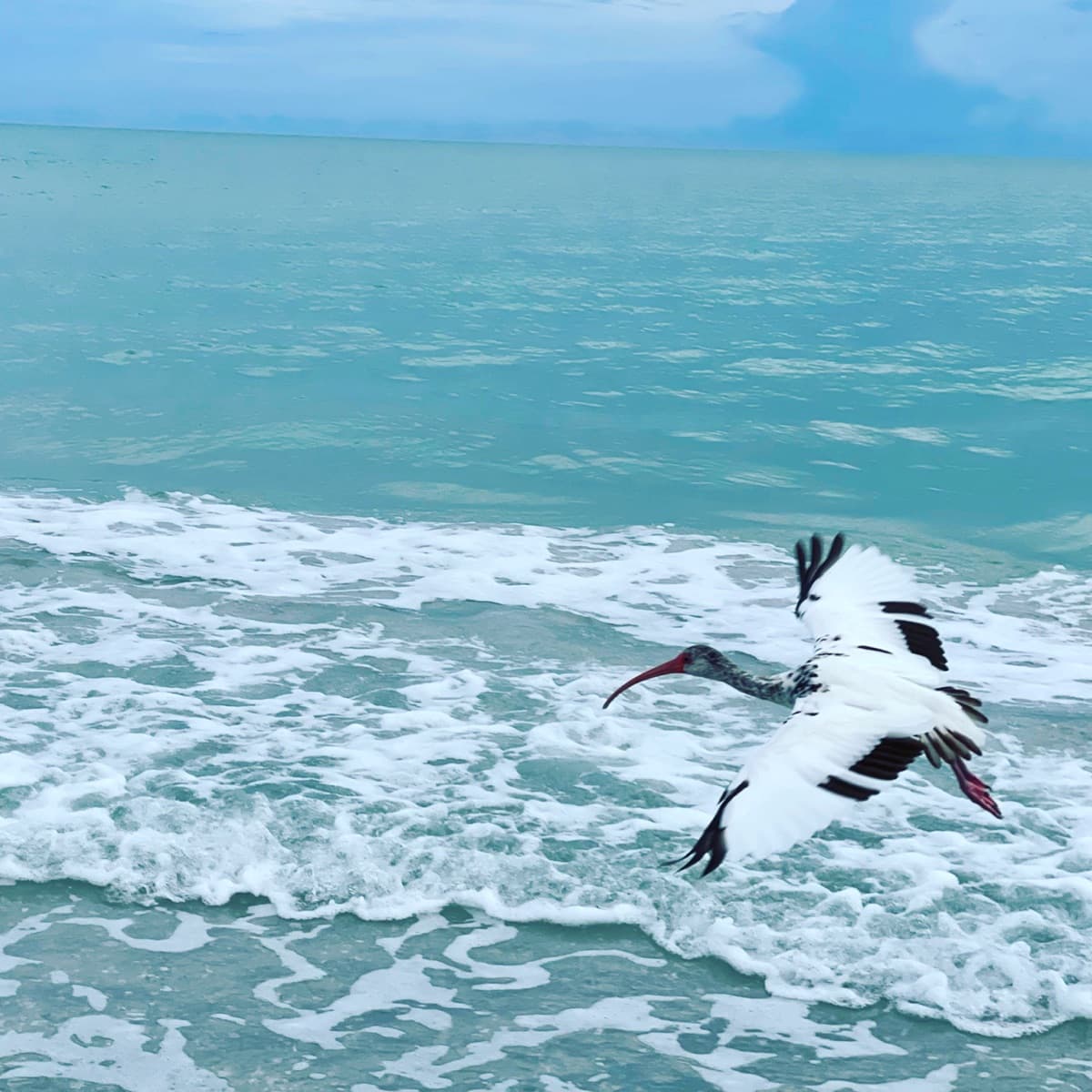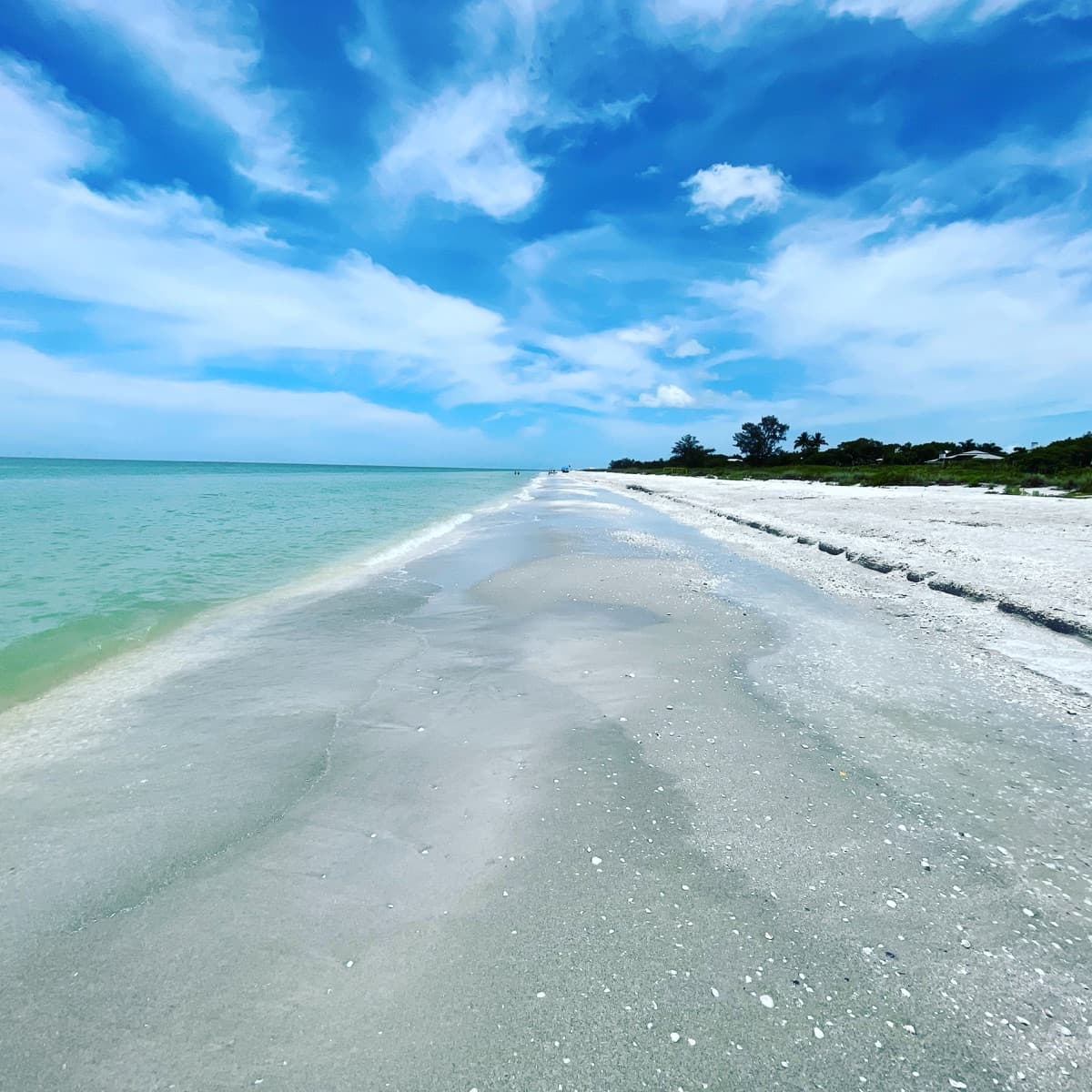
Sanibel's sea turtle season is always one of the most meaningful times of the year on the island, but 2026 has become especially noteworthy.
According to the Sanibel-Captiva Conservation Foundation, Sanibel reached an all-time high for loggerhead nests this summer: 902 loggerhead nests as of July 28, 2026, surpassing the island's previous record of 878 set in 2023. SCCF also reported a new record on Sanibel's west end, with 698 nests compared with the previous west-end record of 631. You can read SCCF's full nesting update here: Record-Breaking Loggerhead Nesting Season on Sanibel.
For visitors, that does not mean Sanibel beaches become a wildlife show. It means the opposite: the beaches are active nesting habitat, and the best thing most of us can do is give sea turtles and hatchlings the dark, quiet, obstacle-free shoreline they need.
This update is meant to complement our evergreen Sanibel sea turtle season guide. If you want the broader rules, timing, and background, start there. If you are visiting in August, September, or October 2026, this is the local update to keep handy.
What makes 2026 different
SCCF's July reporting shows just how active this season has been across Sanibel and Captiva.
As of July 28, SCCF reported 1,152 total sea turtle nests across the islands: 902 loggerhead nests and 10 green turtle nests on Sanibel, plus 238 loggerhead nests and 2 green turtle nests on Captiva. At that point, the combined islands were only 37 loggerhead nests away from the 2023 combined-island loggerhead record of 1,177. SCCF's earlier July update also noted that the islands had already passed 1,000 total nests for the season: More Than 1,000 Sea Turtle Nests on Islands.
Those numbers matter because loggerheads are the primary nesting sea turtle on Sanibel and Captiva, and every successful nest depends on a long chain of protection. SCCF's Sea Turtle Program surveys about 18 miles of beach daily from April through October, documenting nests, false crawls, hatching activity, and issues that may affect nesting success. Their program overview is a good source for understanding the daily work behind the nest markers visitors see on the beach: SCCF Sea Turtle Program.
The short version: 2026 has been a strong nesting year so far, and the visitor choices that always matter during turtle season matter even more when so many nests are incubating or hatching.
When hatchlings emerge on Sanibel
On Sanibel and Captiva, nests are typically laid from late April through August. Hatching can begin in late June and continue into October, with many nests hatching about 45 to 65 days after they are laid.
That means August is a crossover month. Some turtles may still be nesting, while many earlier nests are entering their hatch window. September and October can still bring hatchling activity too, especially from nests laid later in the summer.
Most hatchlings emerge at night. They are guided toward the Gulf by natural light over the water, which is why artificial lighting is such a serious problem. Beachfront lights, flashlights, phone screens, and camera flashes can pull hatchlings in the wrong direction, leaving them exhausted, stranded, or vulnerable.
If you are planning beach time during late summer or early fall, think of every evening beach choice through that lens: keep it dark, keep it clear, and give the shoreline space.
Can visitors see hatchlings?
The responsible answer is: not on your own, and not by trying to find them.
Sea turtle hatchlings are protected wildlife. Their emergence is unpredictable, sensitive, and best handled by permitted conservation professionals. Visitors should never crowd a nest, wait around marked nests at night, use lights to search for hatchlings, touch hatchlings, or try to guide them to the water.
The good news is that SCCF offers a permitted way to learn from the process. For August 2026, SCCF announced public hatchling releases on Tuesday and Wednesday evenings from 7:30 to 9:30 p.m., beginning at Sanibel Sea School. These programs are structured, permitted, and conservation-focused, which makes them the right way to experience this part of the season when space is available. SCCF has details here: Experience the Magic of a Sea Turtle Hatchling Release.
If a release is full, do not improvise your own version on the beach. Use the visit as a chance to learn, then help by keeping beaches turtle-friendly.
A visitor checklist for hatchling season
Before you head back from the beach each day, run through this short checklist:
- Turn off or shield beach-visible lights. Close curtains and blinds if indoor lights face the Gulf.
- Skip flashlights and phone lights on the beach. This includes camera flashes and bright video screens.
- Remove beach furniture every night. Chairs, umbrellas, tents, carts, toys, and cabanas can block nesting turtles and hatchlings.
- Fill large holes completely. Deep holes can trap hatchlings and create hazards for nesting females.
- Do not disturb nests, stakes, screens, or marked areas. Leave all nest protection exactly as you found it.
- Dispose of trash and fishing line. Litter, monofilament, and hooks can injure sea turtles and other wildlife.
- Call for help if something looks wrong. SCCF's sea turtle hotline is 978-728-3663.
These are simple habits, but they are the habits that make the beach safer after everyone goes inside.
What to do if you find hatchlings or a turtle
If you come across hatchlings, a nesting turtle, a disoriented turtle, or a sea turtle that appears injured or stranded, keep your distance and avoid lights. Do not touch, pick up, move, surround, or photograph with flash.
Call SCCF's sea turtle hotline at 978-728-3663 and follow their guidance. If you are staying at a resort, condo, or rental property, you can also notify property staff, but do not wait for a staff member if the situation looks urgent.
NOAA Fisheries is another good general source for understanding sea turtle protections, threats, and recovery work: NOAA Fisheries Sea Turtles. The key point for visitors is that sea turtles are protected, and well-intentioned interference can still cause harm.
Planning a turtle-friendly Sanibel visit
If you are choosing where to stay, ask about turtle-friendly lighting and beach rules before you arrive. If you are already booked into a beachfront condo, rental home, or resort, take a minute on the first night to check whether any lights from your unit are visible from the beach. Closing blinds may sound small, but it can make a real difference.
Families can help too. Kids often love being part of the "beach cleanup crew" at the end of the day: filling holes, gathering toys, and checking that nothing is left behind. It is one of the easiest ways to connect a beach trip with real conservation. For more family planning ideas, our Sanibel family guide pairs well with a visit during hatchling season.
If wildlife is a major reason for your trip, build in time for places where viewing is more predictable and less disruptive, like the refuge, bay waters, and nature-focused stops in our Sanibel wildlife guide. For beach planning, our Sanibel beaches guide can help you choose the right stretch of sand while still respecting posted wildlife protections.
The takeaway
Sanibel's record 2026 loggerhead nesting season is worth celebrating, but the celebration should look like restraint.
That means darker beaches, fewer obstacles, cleaner sand, and more respect for marked nests. It means choosing SCCF's permitted hatchling releases instead of trying to watch hatchlings on your own. And it means remembering that the tiny tracks in the morning sand are part of a much larger conservation story.
Sanibel's beaches are beautiful because they are alive. This hatchling season, the best visitor is the one who helps keep them that way.