Sanibel Island sits at the mouth of San Carlos Bay, where the Caloosahatchee River meets the Gulf of Mexico. That convergence of fresh and salt water, combined with miles of mangrove shoreline, grass flats, oyster bars, and tidal passes, creates one of the most productive inshore fisheries in Florida.
Whether you are a seasoned angler or picking up a rod for the first time, Sanibel delivers — especially if you pair this with our best time to visit Sanibel guide to line up the right season.
The Big 5
Five species define Sanibel fishing. These are what the guides target and what visitors dream about:
Snook
The king of Sanibel fishing. Snook are the most sought-after inshore gamefish in Southwest Florida — powerful fighters with a distinctive black lateral line. They hang around mangrove shorelines, passes, and docks, ambushing baitfish on the tide changes.
- Best months: March through November
- Where: Blind Pass, Lighthouse area, mangrove shorelines, Ding Darling
- Water temp: 65-90°F (they shut down below 60°F)
- Note: Snook season has specific harvest regulations. Check FWC rules before keeping any. Catch-and-release is always a safe bet.
Tarpon
The silver king. Tarpon are bucket-list fish — they can exceed 100 pounds and their acrobatic jumps are legendary. Sanibel's passes and beaches see massive tarpon migrations every spring and summer.
- Best months: May through August (peak: June-July)
- Where: Blind Pass, Boca Grande Pass (nearby), beach surf, Captiva Pass
- Water temp: 75-92°F
- Note: Tarpon are almost exclusively catch-and-release. Landing one from a kayak or paddleboard in the pass is a life-changing experience.
Redfish
Copper-colored with a distinctive black spot near the tail. Redfish are strong, stubborn fighters found on the flats and around oyster bars. They are one of the most reliable species on Sanibel — catchable year-round with peaks in fall and spring.
- Best months: Year-round, best September through November
- Where: Pine Island Sound flats, Ding Darling, Tarpon Bay, grass flats on the bay side
- Water temp: 55-88°F
Spotted Seatrout
The most accessible gamefish on Sanibel. Seatrout are plentiful, willing biters, and great for beginners. Found on grass flats throughout the bay, they hit both live bait and artificial lures.
- Best months: Year-round, best October through April
- Where: Grass flats in Pine Island Sound, Tarpon Bay, causeway flats
- Water temp: 55-82°F
Sheepshead
The winter specialist. When other species slow down in the cooler months, sheepshead move onto docks, pilings, and bridge structures. They are notorious bait stealers with human-like teeth, and they are excellent eating.
- Best months: December through March
- Where: Causeway pilings, docks, Sanibel Pier (when it reopens), any structure
- Water temp: 55-78°F
Other Species
Beyond the Big 5, Sanibel's waters hold:
- Mangrove Snapper — found around structure, excellent eating, and aggressive biters
- Jack Crevalle — pound-for-pound one of the hardest fighters in the Gulf. Not great eating, but an incredible battle.
- Pompano — prized for their flavor. Found in the surf and along the beaches.
- Grouper — nearshore and offshore. The Gulf grouper fishery is world-class.
- Ladyfish — acrobatic and fun on light tackle. They are everywhere.
Best Fishing Spots
Blind Pass
Where Sanibel meets Captiva. Strong tidal currents funnel baitfish through the pass, attracting snook, tarpon, redfish, and jack crevalle. Fish the tide changes for the best action. Wade carefully — the currents are powerful.
Causeway Islands
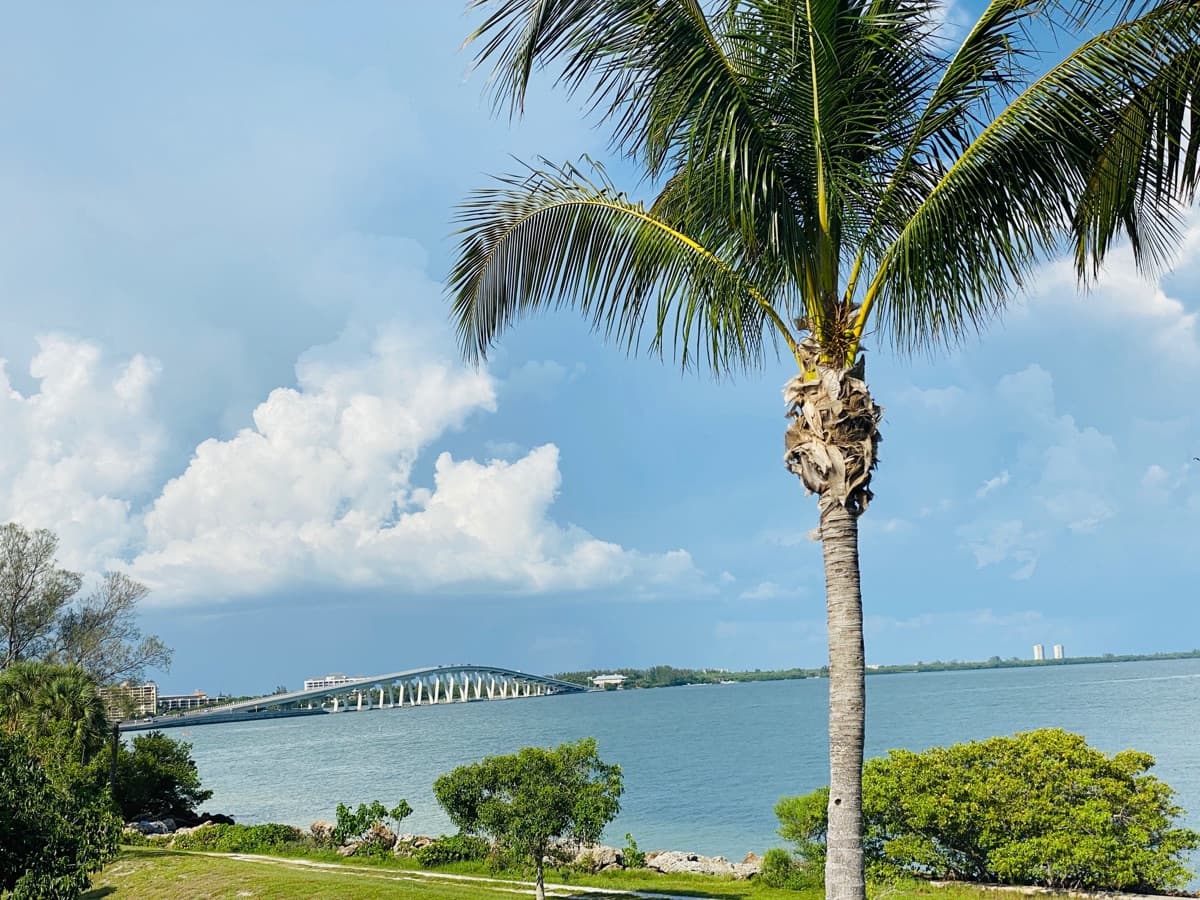
The three islands along the Sanibel Causeway offer some of the most accessible fishing on the island. Our Sanibel Causeway guide is helpful if you're new to those pull-offs and parking areas. No boat needed. Fish from shore for snook, redfish, sheepshead, and seatrout. The bridges and pilings hold fish year-round.
Lighthouse Beach
The eastern tip of Sanibel, where San Carlos Bay meets the Gulf. Snook cruise the shoreline, tarpon roll in the pass during summer, and sheepshead hang on the pier pilings. Once the fishing pier is restored, this will be even better.
Tarpon Bay
A shallow, protected bay inside Ding Darling. Excellent for redfish and seatrout on the flats. Kayak fishing here is outstanding — quiet water, abundant wildlife, and willing fish.
Pine Island Sound
The expansive bay between Sanibel and Pine Island. Miles of grass flats, oyster bars, and mangrove islands. This is where the guides go for redfish and seatrout on the flats. A boat is essential.
Ding Darling Wildlife Refuge
The mangrove creeks inside the refuge hold snook and redfish. Kayak or canoe access only in most areas. Fish quietly — you are sharing the water with manatees, dolphins, and hundreds of bird species.
Bowman's Beach
The Gulf beach on Sanibel's west side. It's also one of the anchor stops in our broader Sanibel beach guide. Surf fishing for pompano, whiting, and snook. Best at dawn and dusk. Cast past the second sandbar if you can.
Captiva Pass
At the northern tip of Captiva, this deep pass is a major fish highway. Tarpon, snook, grouper, and sharks move through with the tides. Boat access only. One of the most productive spots in the area.
Fishing Charters
If you want to maximize your chances — especially if you are new to Sanibel's waters — a charter is the way to go.
What to Expect
- Half day (4 hours): $400-600. Covers one or two spots, targets inshore species.
- Full day (6-8 hours): $600-900. More ground covered, more species targeted.
- Everything included: Rods, reels, tackle, bait, and licenses are provided by the captain.
- What you bring: Sunscreen, sunglasses, water, snacks, and a camera.
How to Choose
- Ask what species they target and what technique they use (fly, spin, live bait)
- Check recent reports — good captains post fishing reports on social media
- Book early during peak season (February-April)
Tackle Shops
Whitney's Bait & Tackle
The original Sanibel bait shop. Live bait, frozen bait, tackle, and local knowledge. The staff can tell you what is biting and where.
📍 1353 Periwinkle Way • (239) 472-1940
The Bait Box
Full-service tackle shop with a huge selection. Rod and reel combos, lures, flies, and live bait. They also do rod repairs and offer local fishing reports.
📍 1041 Periwinkle Way • (239) 472-0137
Tips for Visiting Anglers
- Check the tides. Tide changes drive feeding activity. Fish the last two hours of incoming and the first two hours of outgoing for the best action.
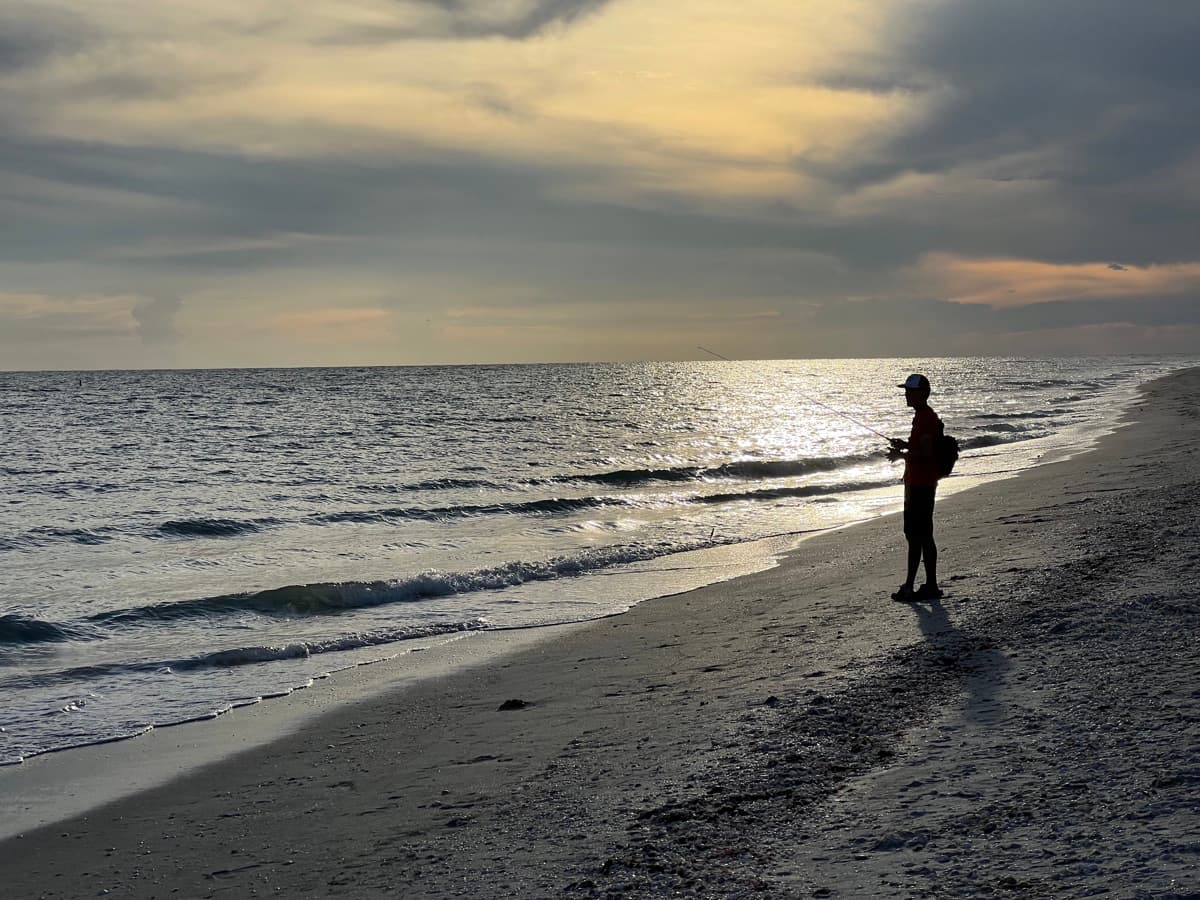
- Fish early or late. Dawn and dusk are prime time. Midday fishing in the Florida sun is tough on both you and the fish.
- Use live bait if in doubt. Live shrimp and live pilchards catch almost everything in Sanibel's waters.
- Match the hatch. Pay attention to what baitfish are present. If you see mullet jumping, throw something that looks like a mullet.
- Respect the regulations. Florida has specific slot limits, bag limits, and seasonal closures for most species. Check MyFWC.com before you fish.
- Get a fishing license. Required for anyone 16 and older. Available online at GoOutdoorsFlorida.com. Charter boats include licenses for their clients.
- Practice catch and release. Especially for snook and tarpon. Use circle hooks, handle fish with wet hands, and minimize time out of water.
- Bring polarized sunglasses. Essential for sight fishing on the flats. They cut the glare and let you see fish, bait, and structure beneath the surface.
- Stay hydrated. Florida sun is no joke. Bring more water than you think you need.
- Check real-time conditions. Visit our Fishing Conditions page for live data on tides, water temperature, wind, and which species are active today.
When to Fish
Every month offers something on Sanibel, but here is the highlight reel:
- January-March: Sheepshead on structure, seatrout on the flats, pompano in the surf
- April-May: Snook heating up, tarpon arriving, redfish on the flats
- June-August: Peak tarpon season, snook in the passes, jack crevalle everywhere
- September-November: Redfish peak, snook in the mangroves, mullet run (feeds everything)
- December: Sheepshead return, seatrout in deeper holes, cooler temps bring different patterns
There is no bad month to fish Sanibel. The species rotate, but something is always biting.
Tight lines. 🎣